Choosing the best Biomechanical Fitness Machines in China takes more than comparing prices or polished product photos. The right choice depends on how closely a machine’s movement, resistance, and adjustments suit its intended users. Small details matter. A leg press should feel stable through its range, while a chest press should allow comfortable seat and handle adjustments. Smooth motion is useful, but it does not prove that a machine fits every body.
This guide examines the features buyers can assess: movement path, resistance consistency, frame construction, adjustment range, and maintenance support. It also considers how Chinese manufacturers present specifications and what questions buyers should ask before ordering. Request clear dimensions, load ratings, warranty terms, and documentation for relevant quality testing. When possible, inspect a sample or arrange a practical demonstration. A factory visit can help, but it cannot replace repeated use.
There are limits to any comparison. Product data may vary between models, and “biomechanical” is not a guarantee of superior performance. That deserves scrutiny. The guide will distinguish verifiable details from marketing language and explain trade-offs for gyms, rehabilitation settings, and home facilities. Strong options are not always the most expensive. They are the machines whose design, build, and service match real training needs. A few details may remain uncertain without independent testing, so readers should treat rankings as a starting point, not a final verdict.
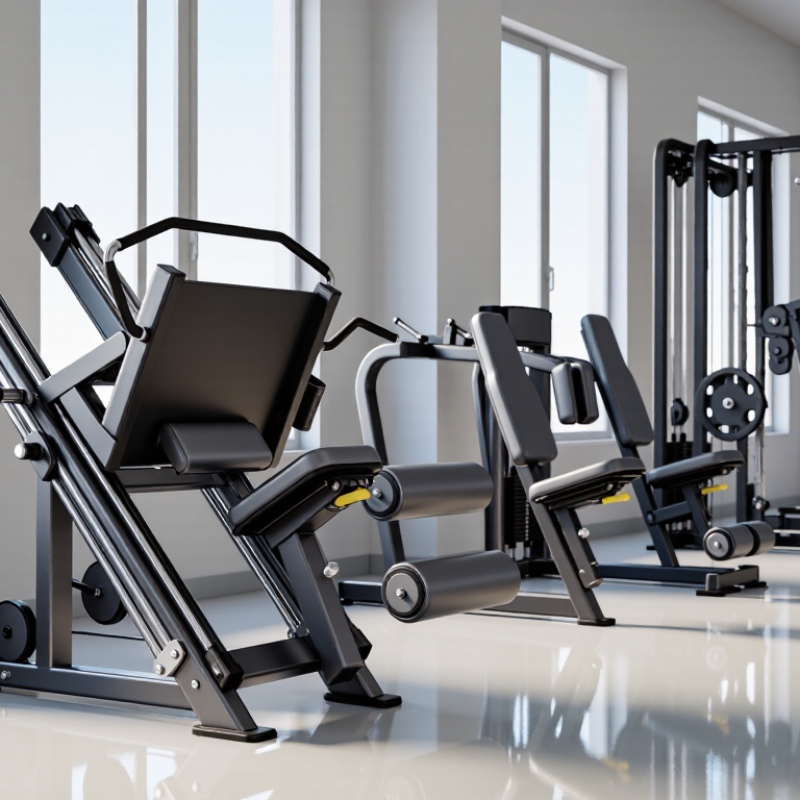
Biomechanical fitness machines are designed to guide resistance through a particular movement pattern. Their frames, handles, seats, and pivot points influence how your joints move under load. Unlike free weights, they provide a more constrained path, though that path is not automatically right for every body. On a seated chest press, for example, the seat height should let the handles begin near mid-chest, without forcing the shoulders forward.
Many machines use cams, pulleys, or linked arms to change resistance across a repetition. This can make one part of the movement feel harder than another. Adjustable settings matter: a poorly placed pivot or seat may feel awkward, even when the machine is well built. The term “biomechanical” is also used inconsistently, so look at the actual movement and adjustments, not just the label.
Tips: Start with light resistance. Adjust the seat and handles before exercising, then move slowly through the full range you can control comfortably. Stop if you feel sharp pain, and ask a qualified fitness professional to check your setup if alignment feels unclear.
Biomechanical fitness equipment should guide movement rather than force the body into a fixed path. On a leg press, the knees should track comfortably over the feet while the back stays supported. Adjustable seat depth and footplate angle help different users find a suitable position. Small details matter. Handles should allow neutral wrists, and pivots should align near the joints they guide. If a machine pulls the shoulders forward, reduce the load and reassess the setup.
Resistance should feel controlled through the full range, not suddenly heavy near the top. Check whether the linkage changes effort smoothly, especially during the lowering phase. Start with a light load and watch for seat movement, pinching, or restricted motion. These checks are not a clinical assessment, but they can reveal practical design flaws. When comparing equipment in China, look for clear adjustment labels, stable frames, and accessible maintenance information. A machine may feel precise yet suit only a narrow range of body sizes. That deserves more attention.
Main Types of Biomechanical Fitness Machines in China
Biomechanical fitness machines are designed to guide movement in ways that suit the body’s joints and muscles. In China, common types include selectorized strength machines, plate-loaded equipment, and adjustable cable systems. Each offers a different feel. A seated leg press, for example, supports the back while the user pushes a weighted platform through a controlled range.
Selectorized machines use a pin to change resistance, making them practical for gyms with many users. Plate-loaded models allow smaller weight adjustments, but require users to handle and store plates safely. Cable machines support pulling and pressing from different angles. Their movement can feel less fixed, so good setup matters.
Some facilities also use biomechanical equipment for balance, gait, or rehabilitation exercises. These machines may help users practise controlled steps or supported weight shifts under professional guidance. Fit matters. Seat height, handle position, and range of motion should match the person using the machine. A label saying “biomechanical” does not guarantee a perfect fit; that term can be used loosely, and individual comfort still needs checking. A slow test set is useful. Pain is not a target.
What Are the Best Biomechanical Fitness Machines in China?
Assess safety by watching the machine move, not just reading its specifications. The user’s joints should follow a smooth, controlled path without sudden shifts or awkward twisting. Check that guards cover pinch points, the frame stays stable under load, and the emergency stop is easy to reach. Try every adjustment yourself. A lever that sticks can matter more than a polished finish.
Performance depends on repeatable resistance and useful range of motion. Test the machine at light and heavy settings, and listen for grinding, cable slap, or uneven movement. Ask how resistance is calibrated and what routine maintenance requires. Small details count. Seat markings should remain legible, and adjustment pins should lock securely. No checklist catches everything.
Build quality needs close inspection. Look for even welds, sturdy joints, smooth bearings, and cables without fraying or exposed strands. Ask for load limits, inspection records, maintenance guidance, and access to replacement parts. Documentation helps, but it does not replace a hands-on trial. A showroom machine may feel excellent while hiding wear that appears after repeated use; that’s easy to overlook. Compare several units under the same conditions, and record any noise, wobble, or adjustment problem before deciding.
Choosing a biomechanical fitness machine starts with the movement you want to train, not its feature list. For strength development, a guided resistance machine can make loading predictable and help beginners repeat a comfortable range of motion. Check that resistance moves smoothly and adjustments are easy to understand. The seat, handles, and footplates should fit the user; even a small position change can affect comfort. Small details matter.
For balance or controlled movement, look for stable positioning and gradual resistance, rather than choosing the heaviest weight stack. Anyone returning after an injury should follow guidance from a qualified clinician, since machine settings cannot replace individual assessment. In a busy Chinese gym or compact home training space, footprint, noise, cleaning, and maintenance access also influence whether a machine gets used.
Ask for clear load specifications, then test several slow repetitions before buying. Test it slowly. A complicated console can look impressive, but extra settings are not always useful. It is easy to overlook this when comparing equipment, so prioritize a comfortable fit and consistent movement over features you may rarely use.
It guides resistance along a particular movement path. The frame, handles, seat, and pivot points affect how your joints move.
A machine usually constrains the movement path, while free weights allow more movement choices. That guided path may not suit every body.
Set the seat so the handles begin near mid-chest. Your shoulders should not be pushed forward.
They can change resistance during a repetition, making some parts feel harder. Try different settings with light resistance first.
Watch for smooth movement, a stable frame, covered pinch points, and an easy-to-reach emergency stop. Try each adjustment.
Test light and heavy settings. Listen for grinding, cable slap, or uneven movement, and check that resistance feels repeatable.
Look for even welds, sturdy joints, smooth bearings, and cables without fraying. Check that adjustment pins lock securely.
Ask about load limits, inspection records, maintenance needs, and replacement parts. A showroom trial may not reveal wear that appears later.
Stop and review the seat, handles, and alignment. Move only through a comfortable range, and seek qualified help if needed. No checklist catches everything.
Biomechanical Fitness Machines are designed to guide movement in ways that work with the body’s joints, muscles, and natural range of motion. By shaping resistance paths, pivot points, and user positioning, these machines can support controlled exercise and consistent muscle engagement. Their key features may include adjustable seats and handles, smooth resistance, stable frames, and movement patterns suited to different body sizes and training goals.
Common options in China include strength-training machines, multi-station systems, and equipment for rehabilitation or general conditioning. When assessing a machine, consider its safety guards, stability, construction materials, resistance accuracy, and ease of adjustment. The best choice depends on who will use it and how: a home exerciser may prioritize compact size and versatility, while a gym may need durable equipment for frequent use. Matching the machine to the user’s experience, physical needs, available space, and desired exercises can help create a safer and more effective training setup.