Choosing the Best Outdoor Park Fitness Equipment for 2026 starts with a simple question: who will use it, and how often? A shaded park may attract older adults, teenagers, and early-morning runners, each with different needs. The right Outdoor Park Fitness Equipment should invite movement without making the space feel intimidating. Look for clear instructions, stable surfaces, comfortable grips, and equipment that supports varied abilities. Small details matter. A low step can feel welcoming; a confusing label can send someone away.
Dr. Fiona Bull, a physical-activity expert at the World Health Organization, has helped champion a practical principle found in its guidance: “Some physical activity is better than none.” That idea suits public fitness spaces. Yet good equipment alone does not create an active park. Placement, shade, maintenance, and safe access matter too. A rusty handle or a puddle beneath a station can undermine an otherwise thoughtful design.
This guide will compare equipment types, materials, accessibility, and maintenance needs for 2026. It will also consider what buyers may overlook, including installation costs and the space required for safe use. “Best” is a slippery word. A popular unit may not fit every neighborhood, and newer features are not automatically better. Real use tells the story. Expect practical criteria, not promises that one setup works for everyone.
Best Outdoor Park Fitness Equipment for 2026?
How Outdoor Park Fitness Equipment Supports Community Fitness
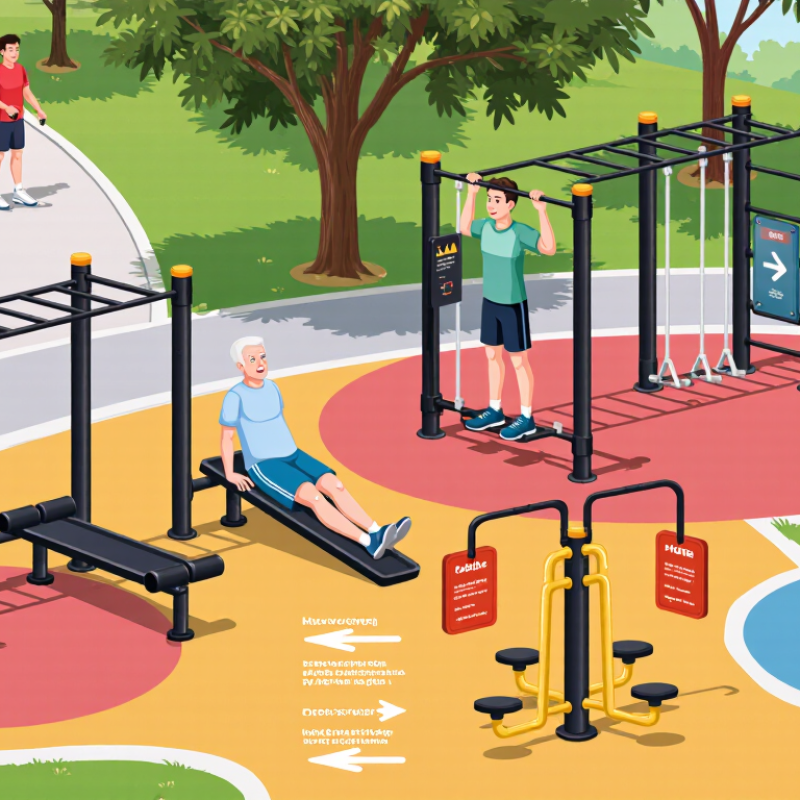
Outdoor park fitness equipment can turn an ordinary walk into a shared activity. A path-side station lets neighbors stretch, practice balance, or build strength without entering a gym. That matters. When equipment sits near benches, walking routes, and play areas, people can fit movement into everyday routines.
A useful setup offers different levels of effort. Low-impact pedals and seated strength stations may suit older adults or people returning to exercise. Pull-up bars and step platforms give more confident users room to progress. Clear instructions, stable surfaces, and enough space around each station help people use the equipment safely. Small details count. A shaded bench nearby can make a rest feel welcome, not like giving up.
Community fitness depends on more than the equipment itself. Parks need regular checks for loose fittings, worn grips, and slippery surfaces, especially after rain. Still, a row of machines can feel oddly empty if nobody knows how to use them. That is worth reflecting on. Occasional group sessions or simple signs can help newcomers feel comfortable, while leaving the space open for independent use. Not every park has staff or a large maintenance budget, so durable, straightforward equipment may be more realistic than an elaborate setup.
Stations beside walking paths let neighbors add stretching, balance practice, or strength work to daily walks. That matters. Nearby benches make short rests easier.
Children may enjoy low balance beams and stepping pods. Adults can try low bars or step platforms. Seated cycles and air walkers offer gentler movement options.
Read the instructions, start with a comfortable range, and try a few controlled repetitions. Stop if pain or dizziness appears. No need to rush.
Consider the local weather. Coastal air, strong sun, and freeze-thaw cycles can wear equipment differently. Sealed joints, replaceable parts, and regular inspections help.
Provide clear approach routes, stable transfer areas, reachable controls, and readable instructions. A turning space may look roomy on paper but feel tight in person.
Parks should regularly inspect fittings, grips, and surfaces, especially after rain. A slippery platform is easy to overlook.
Simple signs or occasional group sessions can explain unfamiliar stations. Still, some people prefer to exercise alone. Both options matter.
Varied stations can help adults work toward 150–300 minutes of moderate activity weekly. That is a guideline, not a promise that every setup fits everyone.
Outdoor Park Fitness Equipment can turn public spaces into welcoming places where people of different ages and abilities can move, build strength, and connect with their community. A well-planned area may combine low-impact stations for beginners and older adults with more challenging options for experienced users, allowing visitors to choose activities that match their comfort and fitness levels. Clear instructions and accessible layouts can help make the space easier to use.
Choosing equipment for 2026 means considering more than variety. Durable, weather-resistant materials and thoughtful design can support long-term use, while safe spacing, stable surfaces, visible guidance, and routine inspections help keep the area inviting. Emerging designs are likely to emphasize adaptable exercises, inclusive access, and simple ways to encourage regular movement, making outdoor fitness areas useful for a broader range of community members.

