0%

Choosing a China top custom branded gym equipment supplier requires more than comparing prices. The right partner must combine engineering skill, factory control, quality testing, and dependable communication. Custom Branded Gym Equipment should fit your brand, training environment, and member expectations. A logo placed on a machine is not enough.

Ray Algar, founder of Oxygen Consulting, has said, “A gym is not just a room full of equipment; it is a complete customer experience.” This idea matters when selecting a manufacturer. A treadmill with your colors may look impressive in a showroom. However, its frame, motor, belt alignment, noise level, and service access determine its real value. Small details become visible after months of daily use.

Look for suppliers that provide material specifications, production photographs, testing records, and clear warranty terms. Ask how steel thickness is checked. Ask how upholstery is replaced. Ask whether spare parts remain available after the first shipment. These questions may feel basic. They prevent expensive surprises.

A strong supplier should also understand commercial gym traffic. A compact studio needs different equipment from a hotel fitness room or a high-volume club. Branding must remain consistent across racks, benches, cardio machines, packaging, and digital manuals. Still, customization can become excessive. Too many colors, unusual dimensions, or unnecessary features may weaken usability.

The best partnership is practical, not merely attractive. It accepts revisions. It documents limitations. It improves after honest feedback. China offers extensive manufacturing capability, but supplier quality is uneven. Careful verification remains essential. A polished catalog cannot replace factory evidence, sample testing, and long-term service planning.
China Top Custom Branded Gym Equipment Supplier?

What Is a Custom Branded Gym Equipment Supplier?

A custom branded gym equipment supplier develops fitness products around a facility’s identity, training needs, and operating conditions. It may offer OEM or ODM production, logo application, custom colors, upholstery, packaging, and equipment specifications. The supplier should also support sampling, factory inspections, load testing, spare parts, and installation guidance. A logo alone does not create a professional solution.

Demand is becoming more detailed. The Health & Fitness Association’s 2024 Global Report estimated 184 million fitness-facility members across 19 markets in 2023, with industry revenue reaching about $96.7 billion. Meanwhile, ACSM’s 2025 Worldwide Survey of Fitness Trends placed wearable technology and mobile exercise applications among leading trends.

This suggests that custom equipment may need practical digital features, not only attractive frames. Buyers should ask about material thickness, weld quality, cable ratings, app compatibility, and long-term service. Some suppliers promise everything. That deserves closer inspection.

Tips: Request a working sample before placing a large order. Compare drawings with the final machine. Check whether branding survives repeated cleaning and daily use. Ask for test records, warranty terms, replacement-part timelines, and clear compliance documents. A lower price can become expensive when one small pulley stops a training station. Another honest point: custom development often needs several revisions, so a rushed design may look good but perform poorly.

Which Gym Equipment Products Can Be Customized?

Custom gym equipment can cover far more than a printed logo. In real equipment projects, buyers often customize power racks, squat stands, benches, dumbbells, kettlebells, weight plates, and cable machines. Rack uprights may receive laser-cut markings or powder-coated colors. Benches can use selected upholstery, stitching, foam density, and frame finishes. Weight plates can include recessed lettering, custom colors, and different kilogram sizes. Even small details matter.

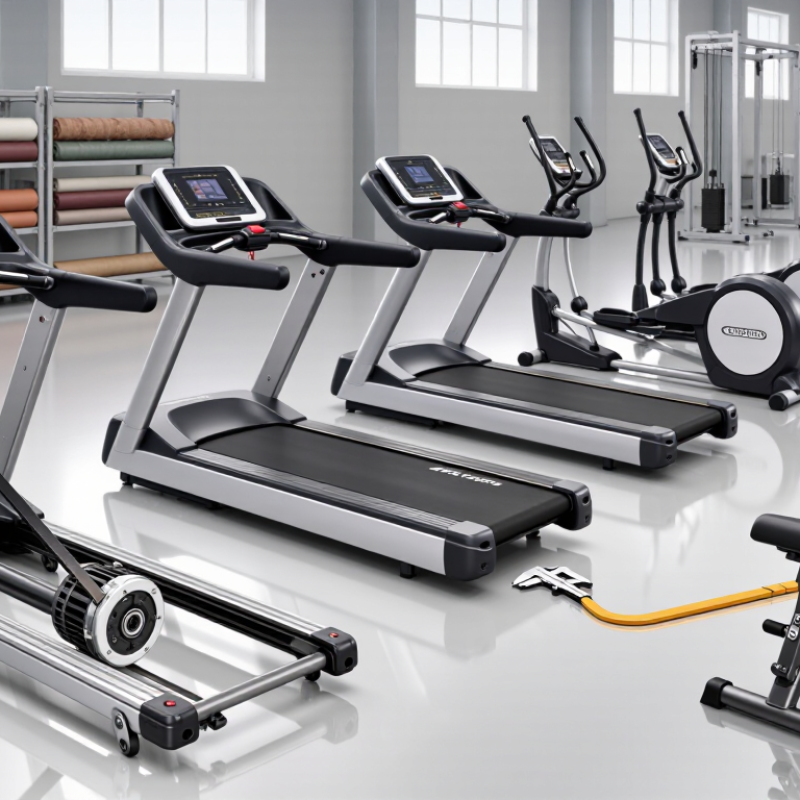
Cardio equipment also allows practical changes. Treadmills may use a preferred console language, screen layout, safety key, and electrical configuration. Exercise bikes can receive customized pedals, seat materials, resistance systems, and protective packaging. Flooring, storage racks, medicine balls, and wall-mounted accessories can match the facility’s visual plan. A reliable supplier should confirm drawings, materials, dimensions, load ratings, and sample approval before production. Ask for factory inspection records and performance testing.

Customization is not always better. A bright coating may show scratches quickly. A complex logo can increase cleaning difficulty. Unique parts may also make future replacement slower and more expensive. I have seen attractive prototypes fail during daily use because the upholstery was too soft or the grip texture was overlooked. Small trials help. Test the equipment with real users, not only showroom lighting. Specification sheets should record every approved detail, including color codes, tolerances, packaging, and warranty terms.

How Does the Custom Equipment Ordering Process Work?

A custom gym equipment order should begin with a written equipment brief. Include target users, training goals, floor space, colors, logo files, and expected volume. Experienced suppliers usually confirm these details before preparing a technical drawing. The drawing should show dimensions, upholstery colors, frame finishes, cable routes, and attachment points. One small measurement error can affect an entire training area.

The Global Wellness Institute reported that the physical activity economy reached 1.06 trillion dollars in 2023. It projects growth to 1.35 trillion dollars by 2028. This rising demand makes accurate customization more important. After design approval, the supplier should provide a sample, material specifications, load ratings, and a production schedule. Independent inspection can check welds, coating thickness, moving parts, and packaging. Ask for test records. Do not rely on attractive photos alone. The process is rarely perfect. A prototype may reveal awkward handles or poor access, and changing them early is cheaper than correcting a shipment.

Tips: Request a single approval document. Record every revision. Confirm the final logo size, carton labels, spare parts, warranty terms, and delivery responsibilities. Allow extra time for prototype changes. A rushed approval often creates avoidable costs. Before payment, compare the final inspection report with the approved drawing and ordered quantity.

What Standards Should a Reliable Supplier Meet?

China Top Custom Branded Gym Equipment Supplier?

What Standards Should a Reliable Supplier Meet?

A reliable supplier should show more than attractive product photos. Ask for material specifications, factory inspection records, and recent load-test results. Frames should use consistent steel thickness, clean welds, and corrosion-resistant finishes. On a busy gym floor, small defects become expensive problems.

Relevant equipment should be tested against recognized safety requirements, such as ISO 20957 where applicable. Ask how cables, pulleys, benches, and adjustment pins are tested under repeated use. Clear traceability matters too. Each batch should have production records, inspection dates, and identifiable components. Vague answers deserve careful attention.

Customization should not weaken safety. A supplier must review logos, colors, dimensions, and user instructions through technical drawings before production. Samples should be assembled and tested, not merely photographed. During practical inspections, check bolt alignment, sharp edges, seat stability, and unusual movement. I have seen attractive machines fail simple adjustment checks. That mistake can happen again.

Communication is another standard. Reliable teams explain limits honestly, including delivery risks and replacement-part availability. They should provide installation guidance, maintenance schedules, warranty terms, and responsive after-sales support. Ask for a small pilot order when possible. It reveals packaging quality and actual workmanship. No supplier is perfect. The important question is whether problems are documented, corrected, and prevented in the next batch.

What Standards Should a Reliable Custom Gym Equipment Supplier Meet?

This recommended procurement framework prioritizes product safety, quality control, durability testing, traceability, service capability, and responsible manufacturing. The percentages represent suggested audit weights rather than data from any specific company or brand.

Key verification points: Request evidence of ISO 9001 quality management, applicable ISO 20957 or local fitness-equipment safety compliance, documented load and durability testing, batch traceability, spare-parts support, and appropriate ISO 14001 or ISO 45001 practices where relevant.

How Can Buyers Choose the Right Manufacturing Partner?

Choosing the right Chinese custom gym equipment manufacturing partner requires more than comparing quotations. A low price may hide weaker steel, limited testing, or unclear warranty terms. Buyers should inspect factory certificates, production records, and export experience. Request recent photos of welding areas, powder-coating lines, and packaging stations. Better still, arrange a live video audit or an independent factory visit.

Samples reveal reality. Test a rack for movement, coating thickness, weld consistency, and hardware fit. Ask for material specifications and load-test reports from recognized laboratories. The factory should explain tolerances, inspection points, and corrective actions in plain language. It should also confirm whether drawings, logos, colors, and packaging can be produced consistently. Small details matter. A missing washer or poorly protected edge can damage customer trust.

Communication deserves equal attention. During practical sourcing work, delayed replies often predicted delayed production. A reliable partner provides one project contact, written schedules, approval samples, and inspection photos before shipment. Discuss spare parts, maintenance instructions, replacement procedures, and payment protection early. No factory is perfect. Even experienced suppliers may misjudge a new design or underestimate packaging space. Buyers should record changes, approve each revision, and leave time for another inspection. Ask harder questions before signing, especially about rejected goods, delivery delays, and responsibility for rework.

China Top Custom Branded Gym Equipment Supplier? - How Can Buyers Choose the Right Manufacturing Partner?

Evaluation Dimension Recommended Buyer Benchmark Why It Matters Evidence to Request Suggested Weight
Product Safety and Applicable Standards Confirm the exact safety requirements for the target market and product category before production. Commercial treadmills, strength machines and free-weight equipment have different hazards and testing requirements. Product-specific test reports, risk assessments, technical files and applicable standards list. EN 957 may be relevant for certain stationary training equipment; verify the current applicable edition and scope. 20%
Quality Management System A documented quality system with controlled procedures, inspection records and corrective-action tracking. A certificate alone does not prove consistent product quality; process controls and records are also needed. Valid ISO 9001 certificate, issuing-body details, incoming-material inspection plan, in-process inspection checklist and final inspection report. 15%
Customization Capability Ability to manage approved drawings, colors, upholstery, logos, packaging and user documentation under revision control. Custom projects fail more often through specification misunderstandings than through basic manufacturing capacity. Sample approval procedure, engineering-change form, artwork approval record, bill of materials and signed technical specification. 15%
Material and Component Traceability Traceability from key raw materials and purchased components to production batches and finished units. Traceability supports warranty analysis, recalls, replacement-part control and root-cause investigations. Material certificates where applicable, batch or lot records, supplier-control procedure and serial-number structure. 10%
Factory and Production Verification Conduct a documented factory audit or independent pre-production assessment before placing a substantial order. An audit can verify equipment, staffing, process flow, storage, calibration and actual production controls. On-site or third-party audit report, production-line photographs with dates, equipment list, calibration records and capacity plan. 10%
Pre-Shipment Inspection Use an agreed inspection level, sampling plan and acceptance criteria before shipment. A defined acceptance method reduces disputes about appearance, dimensions, function and packaging condition. Approved inspection checklist, sampling standard, defect classification, inspection photos and signed inspection report. 10%
Testing and Durability Validation Validate load, stability, moving parts, upholstery, corrosion resistance and electrical functions where applicable. Gym equipment is exposed to repeated loads, sweat, cleaning chemicals and frequent user adjustments. Test protocol, test conditions, measured results, equipment calibration status and sample identification. 10%
Packaging and Export Readiness Packaging should protect painted surfaces, frames, cables, electronics and loose parts during multimodal transport. Poor packaging can create damage even when the equipment passes factory inspection. Packaging specification, drop or vibration validation where appropriate, carton markings, packing list and loading photographs. 5%
Spare Parts and After-Sales Support Define spare-parts availability, warranty exclusions, response times, troubleshooting and service responsibilities in writing. Fitness facilities depend on uptime, and replacement parts may be needed long after delivery. Parts list with identification codes, service manual, warranty policy, claim workflow and technical-support contact process. 10%
Commercial and Contract Controls Use a contract covering approved specifications, tolerances, inspection rights, delivery terms, warranty and remedies. Clear commercial terms reduce ambiguity when the delivered product differs from the approved sample. Quotation comparison, purchase agreement, technical annex, payment milestones, delivery schedule and change-order process. 5%
Total Suggested Evaluation Weight 100%
Buyer note: Standards, certifications and legal requirements vary by product type and destination market. Verify the current applicable requirements with an accredited testing body, qualified compliance professional or importing-country authority before final approval.

FAQS

Which gym equipment products can be customized?

Buyers can customize racks, squat stands, benches, dumbbells, kettlebells, plates, and cable machines. Frame colors, laser markings, upholstery, stitching, foam density, and grip textures can change. Cardio equipment may include different screens, pedals, seats, resistance systems, or electrical settings. Small details matter.

Can flooring and storage accessories match a facility’s design?

Yes, flooring, medicine balls, storage racks, and wall-mounted accessories can follow one visual plan. Matching colors can make a training room look organized. However, bright finishes may show scratches quickly. Appearance is not everything.

What information should buyers provide before requesting customization?

Prepare user details, training goals, floor dimensions, colors, logo files, and expected order volume. Include equipment quantities and preferred materials. A missing measurement can affect an entire training area. Check it twice.

What should a technical drawing show?

The drawing should show dimensions, upholstery colors, frame finishes, cable routes, and attachment points. It should also record load ratings, tolerances, color codes, and approved materials. One unclear handle position may create daily problems. That detail is easy to miss.

Should buyers approve a sample before mass production?

Yes, a sample should be assembled and tested before full production begins. Test handles, seat stability, adjustment pins, welds, moving parts, and grip comfort. Use real people, not only showroom lighting. Small trials help.

What records should a reliable supplier provide?

Request material specifications, factory inspection records, load-test results, production schedules, and traceable batch information. Ask for inspection dates and identifiable components. Photos are not enough. Vague answers require caution.

How can customization affect future maintenance?

Unique parts may make replacements slower and more expensive. Complex lettering can collect dirt and increase cleaning time. Special colors may require longer repair matching. The attractive option may not age well.

What should buyers check before shipment and payment?

Compare the final inspection report with the approved drawing and ordered quantity. Confirm carton labels, spare parts, warranty terms, packaging, and delivery responsibilities. An independent inspection can check coating thickness, bolt alignment, sharp edges, and packaging damage. Mistakes still happen.

Conclusion

A Custom Branded Gym Equipment supplier designs and manufactures fitness products according to a buyer’s specifications, including logos, colors, materials, dimensions, packaging, and functional features. Customization may be available for strength machines, free weights, benches, racks, cable systems, cardio equipment, functional training accessories, and other commercial or home-gym products. The ordering process usually begins with a product brief, followed by design confirmation, quotation, prototype development, sample approval, production, quality inspection, and shipment.

A reliable supplier should demonstrate consistent manufacturing capacity, clear communication, stable material quality, professional testing procedures, and compliance with applicable safety and product standards. Buyers should compare a potential manufacturing partner’s experience, customization capabilities, production lead times, minimum order requirements, quality-control system, after-sales support, and total costs. Reviewing samples and confirming specifications in writing can help ensure that the final equipment meets performance, appearance, and durability expectations.

Elara Whitmore

Elara Whitmore

Elara Whitmore is a strategic marketing professional dedicated to helping businesses communicate their value with clarity, credibility, and purpose. With a strong understanding of market research, customer behavior, content strategy, and digital communication, Elara brings a practical,......