0%

Choosing a private label gym equipment supplier can shape more than your product catalog. It affects safety, profit margins, delivery promises, and customer trust. A polished website is not enough. Real evidence matters.

This guide explains how to assess Private Label Gym Equipment suppliers through practical, evidence-based checks. Look for factory experience, documented quality systems, material specifications, and clear testing records. Ask where the steel is sourced, how welds are inspected, and whether load ratings reflect independent testing. Request samples before placing a large order. Test the knurling, upholstery seams, powder coating, packaging, and assembly instructions. Small defects become expensive when repeated across hundreds of units.

Commercial terms deserve equal attention. Compare minimum order quantities, tooling fees, lead times, spare-parts support, warranty procedures, and communication speed. A reliable supplier should explain what happens when a shipment arrives damaged or a component fails. References from established buyers can reveal patterns that brochures hide. On-site audits or third-party inspections may add cost, but they can reduce costly surprises.

No supplier looks perfect on paper. Some claims remain difficult to verify. Careful questions and written records help. Staged purchasing helps too. You may revise your shortlist after testing. That is normal. The strongest partnership is not always the cheapest one. It is the supplier that consistently delivers safe, durable equipment and responds responsibly when plans change.
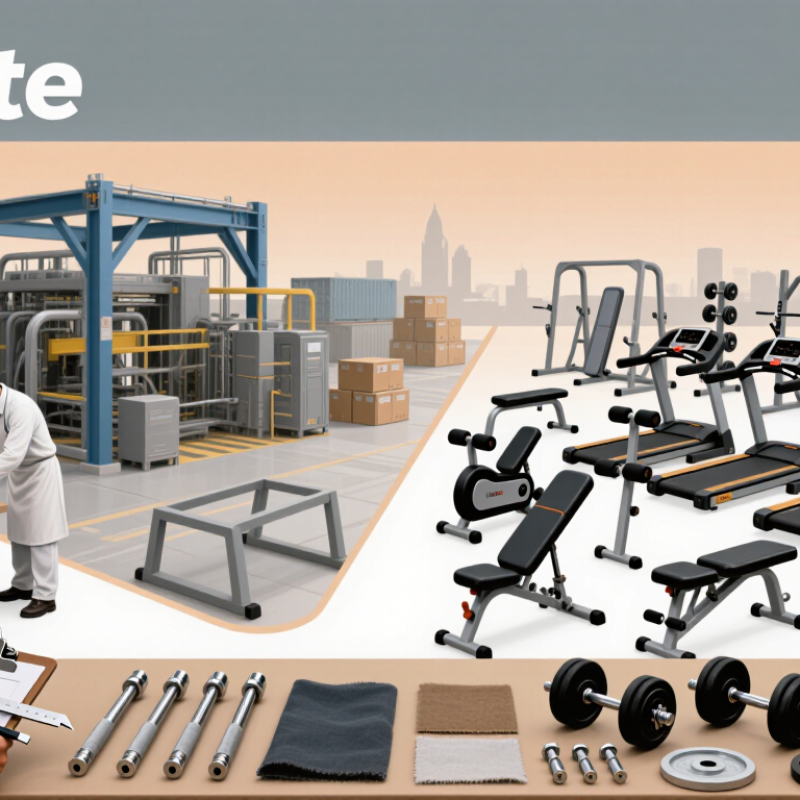
How to Choose Private Label Gym Equipment Suppliers?

Define Your Private Label Gym Equipment Requirements

How to Choose Private Label Gym Equipment Suppliers?

Define Your Private Label Gym Equipment Requirements

A reliable supplier search starts with a precise equipment brief. Define the product type, target users, training purpose, dimensions, materials, and expected usage frequency. A compact home bench needs different testing from a commercial power rack. State the maximum user weight, adjustment points, surface finish, noise limits, and packaging size. The Health & Fitness Association reported 72.9 million U.S. fitness facility members in 2023, showing a broad market with varied expectations. Your product cannot serve everyone equally.

Write measurable requirements instead of vague claims like “premium quality.” Request load-test results, weld inspection records, material certificates, and sample measurements. Also specify acceptable tolerances, replacement-part availability, warranty handling, and delivery terms. The 2024 ACSM Worldwide Survey of Fitness Trends placed strength training among leading industry trends. That supports demand for durable resistance equipment, but it does not prove every design will sell. My first product brief was too broad. It created expensive revisions. I should have tested the user profile earlier.

Tips: Ask for a working sample before approving mass production. Photograph critical joints and moving parts. Compare the sample with your written specifications. Check whether the supplier can repeat the same finish and dimensions. Small differences become obvious in a gym. Review the requirements with a coach, engineer, and experienced buyer. Their feedback may expose weaknesses you missed.

Assess Supplier Manufacturing Capabilities and Product Quality

Choosing a private label gym equipment supplier starts with the factory, not the catalog. A capable manufacturer should show production lines, welding procedures, machining capacity, and trained inspection staff. Ask for batch records, material certificates, and test reports. ISO Survey 2023 recorded more than 1.2 million ISO 9001 certificates worldwide, but certification alone does not prove reliable equipment.

Look closely at quality controls. Request load testing for racks, benches, and cable systems. Check weld penetration, frame alignment, coating thickness, fastener strength, and moving-part noise. Samples should match approved production units. The 2024 Global Report from the Health and Fitness Association valued the global fitness market at about 96.7 billion dollars in 2023. That scale increases demand, but it does not excuse weak inspection.

Visit the facility when possible. Watch operators measure steel, assemble frames, and isolate defective parts. Ask how complaints are traced to a specific batch. I would not treat one excellent sample as proof of stable manufacturing. That is an easy mistake. A factory may outsource painting, upholstery, or electronics without explaining it clearly. Request supplier lists and written process controls. Check packaging too. A strong machine can still arrive with bent tubes or scratched powder coating. Independent pre-shipment inspections add useful evidence, although they cannot replace consistent factory supervision.

Verify Certifications, Factory Standards, and Compliance

When choosing private label gym equipment suppliers, verify more than a certificate on a factory wall. The WHO reported that nearly 1.8 billion adults were insufficiently active in 2022. This growing demand increases pressure on suppliers, but production speed should never replace safety evidence.

Ask for current ISO 9001 documentation, factory audit records, and product test reports. ISO 9001 supports quality management, not complete equipment safety. For strength and cardio products, request testing against relevant ISO 20957 requirements or applicable destination-market standards.

Check the certificate scope, model number, testing date, and laboratory accreditation. A copied PDF is not enough. Verify it directly.

Walk through the factory when possible. Inspect weld consistency, cable routing, protective guards, paint adhesion, and weight-stack stops. Ask how workers record torque values and calibration results. Confirm incoming material checks and final load testing.

The U.S. Consumer Product Safety Commission recorded thousands of emergency-department visits linked to exercise equipment annually, showing why small design faults matter. Ask for complaint logs and corrective-action reports, too.

Suppliers rarely present failures willingly. That is where the real evidence may be. I would also retest a production sample, because a perfect prototype can hide uneven batch quality.

Cite: WHO Global Status Report on Physical Activity, 2024; U.S. Consumer Product Safety Commission, NEISS injury data.

Compare Pricing, Minimum Orders, and Customization Options

Choosing a private label gym equipment supplier starts with comparable numbers, not attractive promises. Request quotes for identical specifications, including steel thickness, coating, padding density, packaging, and shipping terms. Compare unit prices with tooling, sample fees, testing, and delivery charges. A lower factory price can become expensive after freight and rework. Ask for a written cost breakdown. Details matter.

Minimum order quantity directly affects cash flow and storage space. A supplier may offer 100 units, but the price could be higher than a 500-unit order. For a new product line, negotiate a small pilot order before committing to larger production. This reduces risk, although it may weaken your unit economics. Review logo placement, color matching, upholstery, carton design, and instruction labels. Customization often includes hidden setup charges. Request digital drawings and a physical sample before approving production. Samples reveal problems quickly.

Reliable evaluation requires evidence, not confident emails. Ask for material reports, load-testing records, quality-control procedures, and recent production photos. Clarify inspection points, defect tolerance, lead times, payment stages, and replacement procedures in writing. One overlooked issue is after-sales support for damaged or incomplete shipments. I would not approve a supplier based on price alone. My first cost estimate might still be wrong if shipping changes, so leave room for revisions. A clear comparison sheet makes weak assumptions easier to challenge.

Evaluate Communication, Logistics, and Long-Term Support

When choosing a private label gym equipment supplier, communication reveals more than a polished sales presentation. Test response speed with specific questions about frame materials, load limits, packaging, and production schedules. Clear answers should include measurements, documents, and realistic deadlines. Vague promises create expensive problems later.

During supplier audits, I have learned to examine logistics in small details. Ask who checks the equipment before loading. Confirm carton dimensions, container capacity, shipping terms, and replacement procedures.

Photos of pallet protection can expose weak packaging. A shared production timeline also helps both sides track samples, approvals, and dispatch dates. Do not rely on verbal updates alone.

I once accepted an optimistic delivery estimate without requesting weekly progress evidence. The shipment arrived late, and our installation team had to reschedule. That mistake changed my evaluation process. Long-term support should include spare-part availability, repair guidance, updated manuals, and a named service contact. Request a trial order before making larger commitments. Support must remain useful after payment, not disappear after shipment.

Keep records of every agreement. If a supplier welcomes difficult questions, admits limitations, and corrects mistakes quickly, the relationship has stronger commercial value. Maybe the cheapest quote is not the safest choice.

FAQS

What information should a private label gym equipment brief include?

Define the equipment type, target users, training purpose, dimensions, materials, and expected usage frequency. State maximum user weight, adjustment points, surface finish, noise limits, and packaging size. Vague quality claims create confusion.

Why should equipment requirements be measurable?

Measurable requirements help suppliers provide useful test results and accurate samples. Request load tests, weld inspection records, material certificates, and sample measurements. Set acceptable tolerances and replacement-part requirements.

What should buyers check in a factory?

Review welding procedures, machining capacity, production lines, and inspection staffing. Ask how operators measure steel, assemble frames, and isolate defective parts. One excellent sample proves little.

How can product quality be tested before mass production?

Request a working sample before approving larger production. Check frame alignment, weld penetration, coating thickness, fastener strength, and moving-part noise. Photograph critical joints and compare every measurement with your specifications.

Does quality certification guarantee reliable gym equipment?

No. Certification suggests a management system, but it does not prove stable equipment quality. Verify batch records, material documents, load-test reports, and production consistency. Evidence matters more than a certificate alone.

Why is supplier communication important?

Test communication with specific questions about materials, load limits, packaging, and production schedules. Reliable answers include measurements, documents, and realistic deadlines. Vague promises become costly later.

What logistics details should buyers confirm?

Confirm carton dimensions, pallet protection, container capacity, shipping terms, and loading inspections. Request photographs of protected equipment before dispatch. Strong machines can still arrive scratched.

What support should continue after delivery?

Confirm spare-part availability, repair guidance, updated manuals, warranty handling, and a named service contact. Keep written records of agreements and production updates. Support should not vanish after payment.

Should buyers place a trial order before making a large commitment?

Yes. A trial order reveals production consistency, packaging quality, delivery performance, and support responsiveness. I once trusted an optimistic delivery estimate. That was my mistake.

Conclusion

Choosing the right Private Label Gym Equipment supplier begins with clearly defining your business requirements, including product types, target users, design preferences, materials, performance standards, and expected order volume. Once your needs are established, evaluate each supplier’s manufacturing capabilities, quality control procedures, production experience, and ability to maintain consistent product standards. It is also important to verify relevant certifications, factory conditions, testing processes, and compliance with applicable safety and quality requirements.

Cost should be considered alongside value. Compare pricing, minimum order quantities, tooling fees, lead times, packaging, and available customization options before making a decision. In addition, assess how effectively the supplier communicates, handles samples and revisions, manages shipping, and resolves potential issues. A reliable partner should provide transparent updates, organized logistics, dependable after-sales support, and the flexibility to grow with your business. Careful evaluation across these areas can help you build a stable, professional, and long-term supply relationship.

Ethan Blackwood

Ethan Blackwood

Ethan Blackwood is a highly experienced marketing professional dedicated to helping businesses understand products, services, and market opportunities with greater clarity. With a strong background in strategic communication, customer research, content development, and digital marketing, Ethan......