Why choose Open Air Gym Equipment for outdoor fitness? The answer begins with a simple benefit: exercise becomes visible, accessible, and connected to daily life. A shaded park, schoolyard, or apartment courtyard can become a practical training space. Users may complete assisted pull-ups, gentle leg presses, or balance exercises while enjoying fresh air. No membership is required.
From practical observation, outdoor equipment encourages short, repeatable workouts. A resident might stop for ten minutes after work, using a cross trainer beside a walking path. This convenience can support consistency, which matters more than occasional intense sessions. Open Air Gym Equipment also serves different age groups when spaces include low-impact stations, clear instructions, and adjustable difficulty. However, outdoor fitness is not automatically safe. Wet handles, loose bolts, poor lighting, and unsuitable surfaces can create avoidable risks.
Good design requires more than attractive metal frames. Manufacturers and facility managers should consider ergonomic movement, weather-resistant materials, fall zones, user height, and routine inspections. Qualified fitness professionals can help match equipment with realistic training goals, especially for older adults or beginners. Users should warm up, move with control, and stop when pain appears. Listen to your body.
The choice still deserves reflection. Outdoor equipment may lack the privacy, climate control, and personalized coaching found in an indoor gym. Some stations also suit strength endurance better than serious muscle development. Even so, a well-planned outdoor area can make daily movement easier, social, and affordable. Its success depends on thoughtful placement, reliable maintenance, and honest guidance—not on equipment alone.
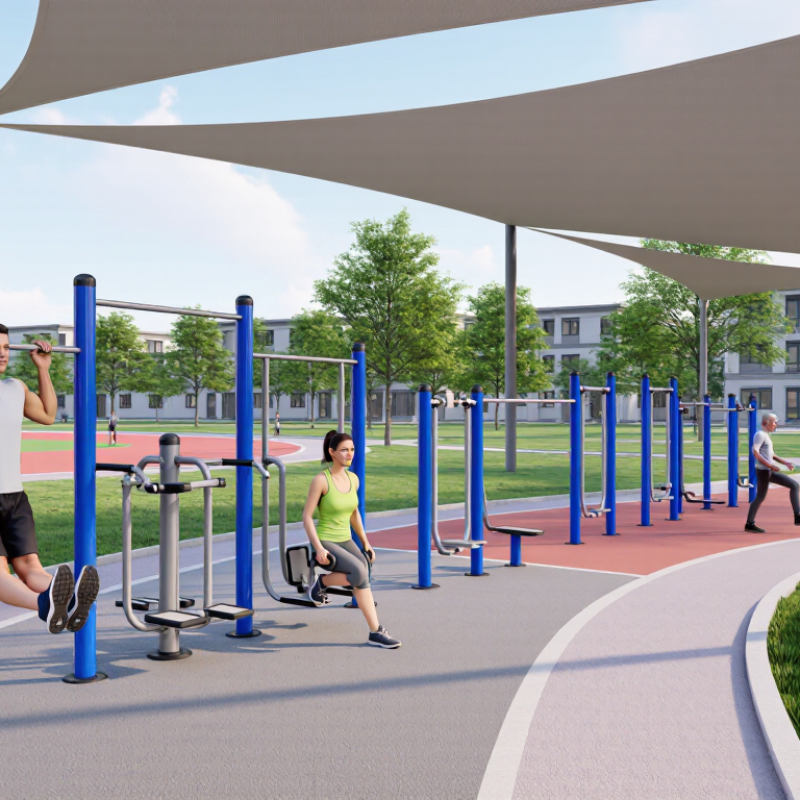
Open air gym equipment refers to fixed, weather-resistant exercise stations installed in parks, promenades, schools, and residential areas. Users may find pull-up bars, step machines, parallel bars, balance beams, and resistance stations. Unlike indoor machines, these units use body weight, leverage, and simple movement patterns. They create a visible workout space without walls or membership barriers.
The World Health Organization recommends 150 to 300 minutes of moderate activity weekly for adults. It also advises muscle-strengthening activities on at least two days each week. Open air equipment can support both goals through circuits, brisk walking, assisted squats, and controlled upper-body exercises. The WHO’s Global Status Report on Physical Activity 2022 estimated that 31% of adults worldwide were insufficiently active. A nearby outdoor facility may reduce one practical obstacle: access.
Details matter. A suitable site needs stable surfacing, clear instructions, shade, drainage, and enough space between stations. Users should begin with gentle repetitions and stop when pain appears. Not every station fits every body. That is important. Equipment without adjustable resistance can also limit progression, especially for stronger users. A professional inspection should check corrosion, loose fittings, sharp edges, and impact zones. Open air training is useful, but it is not a complete fitness plan. Weather, poor technique, and unrealistic goals still affect results. That imperfection deserves honest attention.
Outdoor gym equipment supports physical fitness by combining resistance, mobility, balance, and light cardiovascular training in one public space. The World Health Organization’s 2020 physical activity guidelines recommend 150–300 minutes of moderate activity weekly, plus muscle-strengthening exercises on at least two days. Outdoor stations can help users move toward these targets through step platforms, bodyweight presses, rowing movements, and balance beams.
Small routines matter.
A practical session may include five minutes of brisk walking, three rounds of controlled squats, assisted pull movements, and core exercises. Each station should allow steady progression without forcing painful motion. The American College of Sports Medicine emphasizes gradual overload, proper technique, and recovery for safer strength development. Clear instructions and stable surfaces also reduce avoidable risks, especially for older adults or beginners.
The need is significant. The World Health Organization’s 2024 physical activity fact sheet reports that about 31% of adults worldwide do not meet recommended activity levels. Outdoor equipment removes some barriers because it is visible, free to access, and often located near walking routes. Fresh air may improve motivation, but weather can reduce consistency. Not every station fits every body. That limitation deserves attention. Regular inspections, inclusive designs, and guidance from qualified fitness professionals can make outdoor training more useful, practical, and trustworthy.
Training in an open air gym brings exercise into a more natural setting. Sunlight, moving air, and open space can make a short workout feel less restrictive. I have found that a ten-minute session becomes easier when trees, walking paths, and other people create a lively background. Fresh air helps. Outdoor equipment also encourages practical movements, including pushing, pulling, stepping, and bodyweight training. These exercises can improve strength, balance, and coordination when performed with controlled technique.
Accessibility is another major benefit. Many open air gyms are free to use and do not require complicated equipment. A beginner can start with assisted movements, while a stronger user can increase repetitions or slow the tempo. Small progress matters. Clear instructions on each station can support safer training, but they should not replace professional advice for existing injuries. Check the handles and surfaces before use. Wet metal can become slippery, and uneven ground may affect balance.
Outdoor training can also support social motivation. Seeing others exercise may encourage regular attendance, even without formal classes. Still, the environment is not always perfect. Heat, cold, poor air quality, and crowded spaces can reduce comfort or safety. I sometimes train too quickly because the setting feels casual. That is something worth correcting. A brief warm-up, steady breathing, and rest between exercises make the session more reliable. Bring water, protect exposed skin, and adjust intensity when your body feels unusually tired.
Approximate exercise intensity of common outdoor fitness activities
Outdoor gym equipment supports flexible, full-body training by combining resistance exercises with walking, running, and bodyweight movements. Activities with higher MET values require more energy than resting, while adjustable equipment allows users to select an intensity suitable for their fitness level. MET values are approximate and vary according to speed, technique, body weight, and exercise intensity.
Data source: 2024 Adult Compendium of Physical Activities. One MET represents the energy cost of sitting quietly at rest.
Choosing outdoor equipment starts with the user’s body, goals, and confidence. In my experience, beginners often need low-impact options, not impressive machines. Walking tracks, air walkers, and gentle cross-trainers support movement with less joint stress. They suit older adults and people returning after inactivity. Adjustable resistance helps, but many public units offer limited settings. That limitation deserves honest attention. Users should move slowly, keep both feet secure, and stop when pain appears.
Active adults may prefer elliptical trainers, stationary cycles, and rowing machines for cardiovascular training. Cycles can suit users with balance concerns because the seat provides support. Rowers engage the legs, back, and arms, yet they require careful technique. A straight back matters. People building strength can choose body-weight stations, parallel bars, and resistance machines. These tools suit different levels when users control repetitions instead of chasing speed. A qualified trainer can demonstrate alignment, breathing, and safer progressions.
Teenagers and recreational athletes may enjoy pull-up bars, step platforms, and agility ladders. However, equipment should match height, reach, and training experience. Children need close supervision near elevated bars or moving parts. Wheelchair users benefit from clear paths, reachable controls, and transfer-friendly stations, although many spaces still overlook these details. Before training, check loose bolts, wet surfaces, sharp edges, and heated metal. Outdoor fitness is flexible, but the right machine is personal. I still revise layouts after watching real users struggle.
Choosing outdoor gym equipment begins with the site, not the catalogue. Measure available space, ground stability, drainage, shade, and evening visibility. A compact area needs multifunctional stations, while a larger park can support strength, mobility, and cardio zones. I have seen well-designed equipment placed on uneven ground, where users avoided it after rain. Site conditions matter more than impressive features.
User needs should guide the equipment mix. Older adults may value low-impact movement, clear instructions, handrails, and comfortable access. Active users may seek pull-up bars, step platforms, resistance stations, and space for bodyweight training. Include different heights and difficulty levels. Keep routes wide enough for wheelchairs and strollers. Ask local residents before installation. Their daily habits may expose problems that a technical plan misses.
Safety and long-term care deserve equal attention. Select durable, weather-resistant materials with rounded edges, stable grips, and visible load limits. Check fall zones, surfacing, lighting, and separation from bicycles or play areas. A qualified inspector should review installation and inspect moving parts regularly. Maintenance records improve accountability. Climate also affects the choice; salt air, freezing temperatures, and intense sun can shorten service life. I would not promise a maintenance-free gym. That sounds attractive, but it is rarely honest. Observe actual use and adjust gradually.
It brings exercise into sunlight, moving air, and open space. Short workouts may feel less restrictive. Trees and walking paths add visual energy. Users can improve strength, balance, and coordination through controlled movements.
Yes. Beginners can start with gentle stepping, assisted movements, or slow bodyweight exercises. Use fewer repetitions. Progress gradually. Clear station instructions help, but they do not replace professional advice for injuries.
Walking tracks, air walkers, and gentle cross-trainers usually create less joint stress. Seated cycles can also provide extra balance support. Keep both feet secure. Stop if pain appears.
Elliptical trainers, stationary cycles, and rowing machines can raise the heart rate. Rowing uses the legs, back, and arms. Keep your back straight. Steady movement matters more than speed.
Bodyweight stations, parallel bars, pull-up bars, and resistance machines support strength training. Choose a manageable number of repetitions. Slow tempo can increase difficulty. Chasing speed is often a mistake.
Inspect handles, bolts, surfaces, and moving parts. Wet metal can become slippery. Look for sharp edges and heated surfaces. Check the ground for uneven areas. A quick inspection is worth the minute.
Measure space, drainage, shade, lighting, and ground stability. Use multifunctional stations in compact areas. Larger sites can separate cardio, mobility, and strength zones. Attractive equipment cannot fix poor placement.
Provide wide routes, reachable controls, handrails, and transfer-friendly stations. Include different heights and difficulty levels. Separate exercise areas from bicycles and play spaces. Maintenance must be regular. A maintenance-free gym sounds appealing, but it is rarely realistic.
Heat, cold, poor air quality, and crowded spaces can reduce comfort. Bring water and protect exposed skin. Lower the intensity when unusually tired. I sometimes train too quickly outdoors, so I need to slow down.
Open Air Gym Equipment refers to durable exercise stations installed in parks, playgrounds, community spaces, and other outdoor areas. Designed to support accessible fitness, it can help users improve strength, flexibility, balance, mobility, and cardiovascular health while exercising in a fresh-air environment. Outdoor training also encourages regular movement, reduces dependence on indoor facilities, and creates opportunities for people of different ages and fitness levels to exercise together.
Different users may benefit from different equipment, such as bodyweight stations for beginners, balance and stretching units for older adults, and strength or cardio stations for more experienced users. When choosing an outdoor gym, important factors include safety, weather resistance, ease of use, available space, maintenance needs, accessibility, and the fitness goals of the community. A well-planned open-air gym should offer varied exercises, clear instructions, stable construction, and a comfortable layout that motivates people to stay active consistently.