Direct from our state-of-the-art manufacturing campus in Jaipur, India. Engineered for extreme duty cycles, customized branding, and turnkey global export.
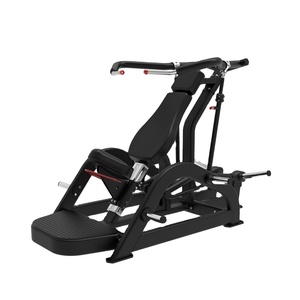
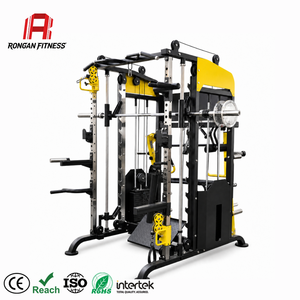
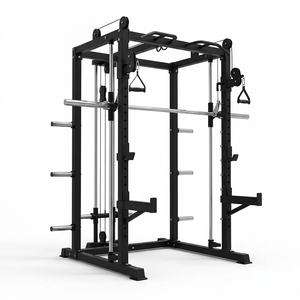
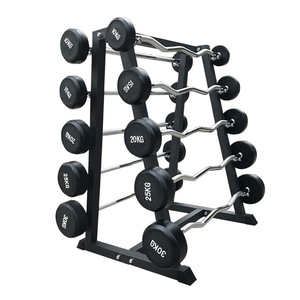
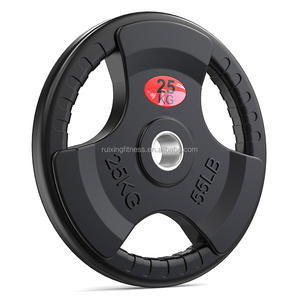

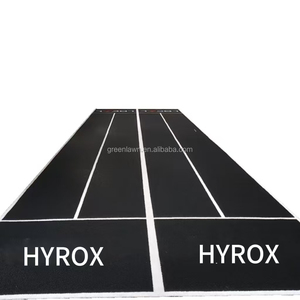
In modern commercial, industrial, and high-load athletic facilities, the selection of heavy-duty flooring is governed strictly by material chemistry, vulcanization mechanics, and mechanical damping specs. As a premier Custom OEM Rubber Matting Supplier & Exporter, our engineering facility prioritizes compounding purity to deliver maximum kinetic force dissipation, acoustic isolation, and long-term dimensional stability.
Commercial rubber matting performance relies on three core elastomer matrices: Styrene-Butadiene Rubber (SBR), Ethylene Propylene Diene Monomer (EPDM), and High-Purity Natural Rubber (NR). Recycled SBR crumb—derived from high-tensile truck tire treads—serves as the primary structural backbone for shock mitigation tiles. Bound under high hydraulic pressures (exceeding 1,200 tons per mold press) using non-toxic MDI (Methylene Diphenyl Diisocyanate) polyurethane binders, our matting achieves superior cohesion without severe off-gassing.
Evaluating commercial rubber matting requires looking beyond simple surface aesthetics to analyze precise mechanical parameters. Below is a breakdown of our standardized material specification benchmarked against international testing standards:
| Performance Characteristic | Test Standard | OEM Standard Specification | Operational Impact |
|---|---|---|---|
| Shore A Hardness | ASTM D2240 / ISO 868 | 60° to 70° Shore A (Customizable) | Optimal balance between foot stability and impact energy absorption. |
| Tensile Strength | ASTM D412 / DIN 53504 | ≥ 6.5 MPa (SBR Base) / ≥ 9.0 MPa (EPDM Surface) | Prevents tearing under heavy point-loads, dumbbell drops, and machinery. |
| DIN Abrasion Loss | DIN 53516 / ISO 4649 | ≤ 120 mm³ | Prevents surface pitting, dusting, and micro-grooving under heavy foot traffic. |
| Impact Sound Reduction (ΔLw) | ISO 10140-3 / ASTM E2179 | 22 dB to 28 dB attenuation (15mm to 30mm thickness) | Mitigates low-frequency structure-borne noise in multi-story facilities. |
| VOC & Odor Emissions | EN 16516 / AgBB Scheme | Passes Low VOC / REACH & RoHS Compliant | Ensures indoor air quality compliance in enclosed commercial environments. |
By eliminating recycled tire buffing dust containing heavy carbon blacks and low-grade solvents, our high-density vulcanization processes yield low-odor, non-porous matting slabs that resist sweat, moisture ingress, microbial growth, and chemical cleaning agents.
Tailored molding, precision interlocking geometry, and corporate branding integrated directly into elastomeric substrates.
CNC waterjet cut and die-cast interlocking puzzle edges guaranteed to sub-millimeter tolerances (±0.2mm). Eliminates seam separation, thermal expansion buckling, and trip hazards over large square-footage installations.
Engineered with a high-density, shock-absorbing SBR rubber base bonded seamlessly to a non-porous 15% to 100% virgin EPDM top wear layer. Offers brilliant color flecks (RAL color matching) and maximum UV color stability.
Instead of surface paint that flakes off under friction, our OEM branding process hot-vulcanizes solid EPDM corporate logos and functional yardage markings directly into the matting surface for permanent visibility.
Bottom-side molded waffle patterns, air-pocket pedestals, and engineered dimples elevate shock absorption, creating an acoustic dampening air cushion specifically tuned for heavy free-weight impact zones.
Specialized compounding options compliant with Class Cfl-s1 (EN 13501-1) fire safety ratings, integrated static-dissipative carbon lines, and oil-resistant NBR blends for specialized industrial work cells.
The global rubber matting market is undergoing a structural transition driven by strict environmental regulations, ESG corporate mandates, and advancing polymer recycling technologies. Enterprise buyers and institutional distributors are moving away from traditional low-cost, solvent-heavy recycled products toward verified sustainable rubber solutions.
Historically, low-cost matting manufacturers relied on aromatic TDI binders high in volatile organic compounds (VOCs). Modern procurement specifications mandate solvent-free, aliphatic, or castor-oil-derived bio-polyurethan binders. These binders eliminate strong chemical fumes, prevent yellowing under ambient light, and maintain tensile elasticity across extreme temperature swings (-30°C to +80°C).
European Union SVHC (Substances of Very High Concern) and REACH regulations have set strict limits on Polycyclic Aromatic Hydrocarbons (PAHs) present in recycled rubber goods. Future-proof supply chains require direct raw-material traceability. As an OEM manufacturer, our production lines utilize post-industrial SBR and devulcanized rubber streams verified free of heavy metals, phthalates, and banned aromatic hydrocarbons.
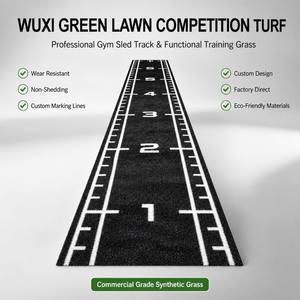
Modern commercial fit-outs demand multi-functional flooring integration. Facilities no longer install uniform rubber rolls across an entire floor. The market is shifting toward composite hybrid flooring zones—integrating heavy-duty 30mm rubber drop pads seamlessly with 15mm sprint tracks, weighted sled turf carpet, and vibration-dampened strength machinery sub-bases.
Operating out of our expansive industrial campus in Jaipur, Rajasthan, India (Meena Ki Dhani, Near Sarna Dungar Industrial Area), BODYTEC FITNESS EQUIPMENT COMPANY represents a fully integrated engineering powerhouse. Unlike trading agencies or third-party brokers, we control every link of the manufacturing value chain:
Clear, technical answers to common questions from commercial buyers, importers, and OEM project managers.
Need custom vulcanized rubber tiles, acoustic gym flooring, weighted sled tracks, or complete strength equipment fit-outs? Contact our engineering team today for technical specs, material samples, and factory-direct export pricing.
