Precision-engineered, heavy-duty commercial gym machinery produced under strict ISO 20957-1 biomechanical standards. Custom OEM/ODM private labeling available for global importers and distributors.
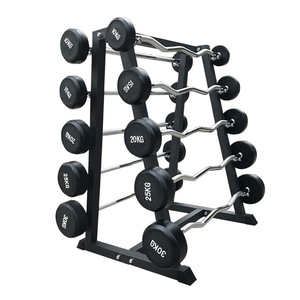
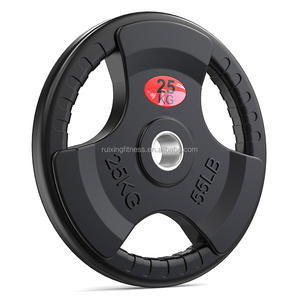
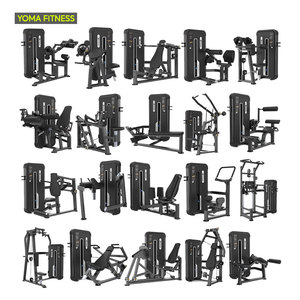
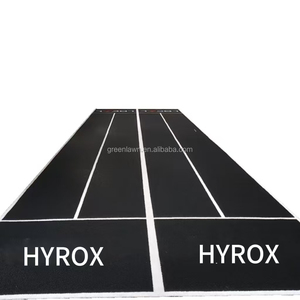
A comprehensive examination of contract manufacturing standards, metallurgical specifications, and quality control systems in commercial fitness equipment production.
In the global commercial fitness industry, contract manufacturing for Original Equipment Manufacturers (OEM) and Original Design Manufacturers (ODM) has evolved beyond basic steel fabrication. Modern commercial fitness centers, health clubs, hotel wellness suites, and institutional facilities demand equipment engineered for 12 to 18 hours of daily high-intensity usage. Achieving structural longevity, biomechanical precision, and low total cost of ownership (TCO) requires an advanced manufacturing ecosystem that integrates material science, robotic welding, ergonomic CAD kinematics, and rigorous multi-stage surface finishing.
Commercial frame integrity depends on steel specification. Premium OEM factories utilize high-tensile Q235 and Q345 structural mild steel tubing with wall thicknesses ranging from 2.0mm to 3.0mm. Flat-oval (50x100mm) and square (75x75mm) profiles undergo robotic continuous-seam MIG welding to ensure complete weld penetration and eliminate structural shear points under maximum weight loads.
To resist sweat-induced oxidation and physical impact, steel components undergo automated shot-blasting and multi-stage zinc-phosphate chemical pre-treatment. This is followed by an electrostatic application of thermosetting powder coating at a thickness of 180 to 200 microns, cured at 200°C for exceptional chip resistance and humidity tolerance.
Proper muscle isolation requires bio-accurate movement paths. Utilizing 3D CAD modeling and Finite Element Analysis (FEA), converging and diverging strength axes are mapped to replicate human joint articulation. Sealed Japanese NSK/NTN precision ball bearings and aircraft-grade nylon-coated steel cables (rated for 2000kg tensile load) ensure zero backlash and fluid resistance curves.
A true tier-1 fitness equipment factory operates strict quality management protocols aligned with ISO 9001 and international safety standard ISO 20957-1 / EN 957-1. The manufacturing cycle involves mandatory verification checkpoints:
Key market shifts driving global sourcing, supply chain diversification, and contract manufacturing strategies for commercial gym equipment buyers.
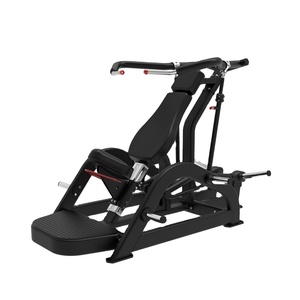
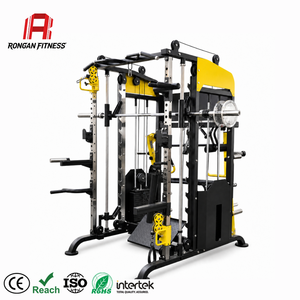
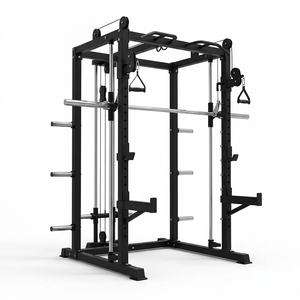
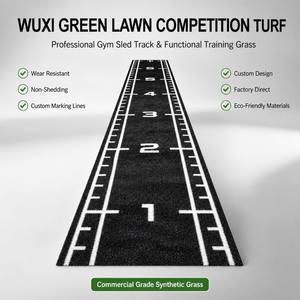
Global fitness consumer demographics have shifted significantly toward hybrid functional fitness, athletic conditioning, and competitive events such as HYROX. Consequently, procurement directors are reallocating equipment budgets away from traditional isolated single-station selectorized lines toward heavy-duty weighted sled turfs, multi-station Smith power cages, rig configurations, and plate-loaded chest press and leg machines. B2B buyers now seek OEM suppliers capable of supplying both heavy structural steel machinery and customized high-density synthetic turf within consolidated container shipments.
Recent geopolitical shifts and freight rate fluctuations have prompted major fitness brands and regional distributors to diversify their manufacturing footprints. Sourcing strategies now prioritize manufacturing hubs in emerging industrial centers—such as specialized industrial parks in India (e.g., Jaipur, Rajasthan)—which offer robust steel supply chains, competitive labor costs, strong English-language technical support, and favorable trade tariffs for North American, European, Middle Eastern, and Latin American export destinations.
The era of standardized, generic off-the-shelf catalog importing is rapidly declining. Importers and commercial chain operators require full brand integration to differentiate their facility offerings. Modern OEM factories must provide low-cost modular customization, including:
Innovations in biomechanics, material processing, smart telemetry, and outdoor municipal fitness installations.
Next-generation pin-selected cable machines are increasingly incorporating optical sensor arrays and load cells within the weight stack tower. These sensors capture real-time concentric/eccentric velocity, total power output, rep counts, and user range-of-motion, transmitting telemetry via Bluetooth/ANT+ to member apps and facility management software.
Advanced plate-loaded equipment now utilizes computer-optimized variable resistance cams. By altering the leverage radius throughout the exercise dynamic, resistance curves match human muscular strength curves—offering greater resistance where muscle leverage is strongest and reducing stress on joint capsules at extreme ranges of motion.
Municipal parks, resort wellness trails, and open-air athletic facilities require commercial outdoor equipment engineered without traditional weight stacks. Modern outdoor OEM production leverages heavy-wall zinc-primed or hot-dip galvanized steel substrates, tamper-resistant stainless steel fasteners, and internal fluid-damper resistance mechanisms built to withstand all weather conditions.
Technical guidance and commercial answers for gym owners, procurement officers, brand managers, and global importers.
Commercial gym strength frames must be fabricated from minimum 2.0mm to 3.0mm wall thickness mild-steel tubing in 50 x 100 mm or 75 x 75 mm profiles. The structural coating process should include mechanical shot-blasting, chemical rust-proofing, and electrostatic thermosetting powder coating applied at 180 to 200 microns. This ensures the frame withstands high member traffic, sweat exposure, and impact without chipping or rusting.
The OEM journey begins with CAD drawing review and specification locking (steel profile, color codes, upholstery stitching, laser-cut logo placement, placard artwork). Once 3D engineering models are approved, pilot samples are produced for biomechanical and fit testing. Upon pilot approval, mass production commences with batch QC records, followed by custom branded packaging, barcode labeling, and consolidated container loading.
Manufacturing lead times for a complete commercial gym package (60 to 100 stations) typically range from 25 to 40 calendar days depending on customization complexity. Equipment is packaged using Knock-Down (KD) or Semi-Knock-Down (SKD) methods with protective EPE foam, bubble wrap, edge guards, and fumigated wooden crates. Orders are optimized for 20ft, 40ft, or 40ft HQ shipping containers to maximize volumetric efficiency and reduce freight costs per unit.
A reliable OEM manufacturer provides a comprehensive warranty structure: lifetime frame structural warranty, 2-to-3 year mechanics (bearings, guide rods, pulleys), and 1-year wear items (cables, upholstery pads). High-wear spare parts kits (extra aircraft cable assemblies, pulleys, pop-pins, linear bearings, rubber end-caps) are consolidated inside the initial container shipment for immediate maintenance availability.
Yes. Outdoor open-air gym machinery omits selectorized weight stacks and external cables in favor of user body-weight leverage or internal sealed hydraulic/pneumatic resistance dampers. Substrates are zinc-primed or hot-dip galvanized prior to outdoor-grade UV-resistant powder coating, utilizing tamper-resistant stainless steel hardware to prevent theft and weather degradation in public installations.
Whether you are planning a full commercial gym fit-out, expanding your regional distribution portfolio, or establishing a private-label fitness machinery brand, our factory engineering team is ready to deliver precision manufacturing tailored to your exact specifications.
Contact Us