Direct-from-factory weight plates and plate-loaded commercial strength systems engineered for high-traffic fitness facilities and OEM brand programs.
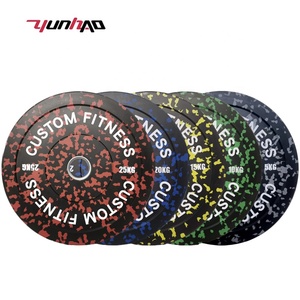
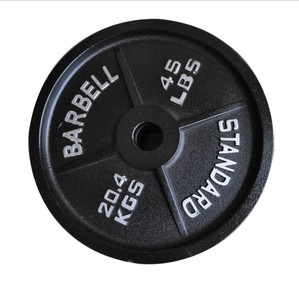
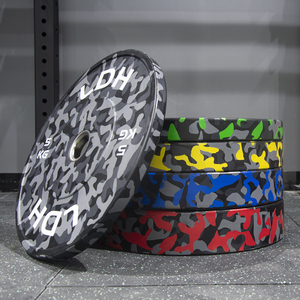
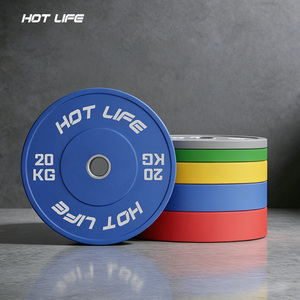
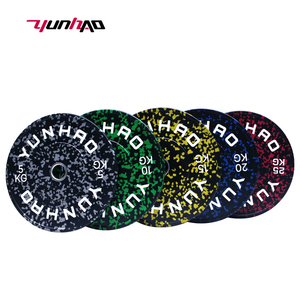
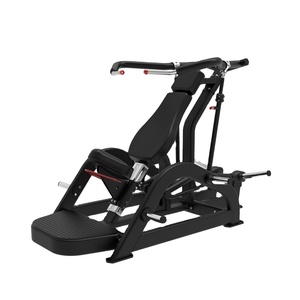
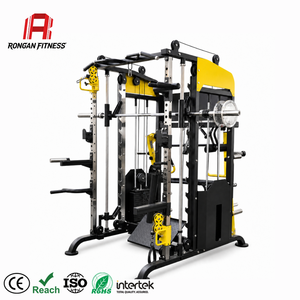
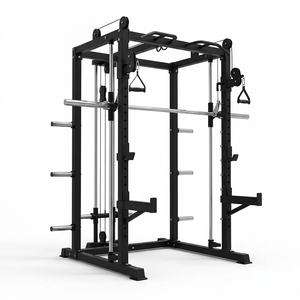
In the rapidly evolving global fitness hardware market, sourcing bumper plates and plate-loaded commercial strength equipment requires a sophisticated understanding of polymer science, metallurgy, and mechanical manufacturing standards. Bumper plates are no longer viewed merely as passive weight discs; they are critical safety and functional components subjected to repeated high-velocity impacts in commercial CrossFit boxes, Olympic weightlifting centers, university athletic facilities, and commercial health clubs.
For B2B procurement managers, brand owners, gym chain developers, and regional distributors, evaluating a bumper plate manufacturer involves scrutinizing raw material formulations (SBR, NR, and CPU polyurethane), structural bonding mechanisms around the central steel hub, dimensional tolerances mandated by the International Weightlifting Federation (IWF), and volatile organic compound (VOC) off-gassing standards. This white paper serves as an engineering-grade evaluation guide and definitive ranking benchmark for selecting top-tier bumper plate factories and OEM partners globally.
Key Procurement Takeaway: The true operational lifespan of a commercial bumper plate is governed by the vulcanization temperature uniformity and the mechanical anchor design of the central hub insert—not merely the cosmetic finish of the rubber exterior.
When conducting factory audits or reviewing OEM sample submissions, fitness facility buyers must benchmark suppliers against four non-negotiable engineering metrics:
High-grade training bumper plates utilize virgin natural rubber (NR) combined with synthetic Styrene-Butadiene Rubber (SBR) cured under high pressure. A Durometer rating of Shore A 88 to 92 ensures minimal recoil (low bounce), protecting floor substrates and barbell sleeves.
Premature bumper plate failure occurs when the central ring delaminates from the rubber core. Premier factories utilize forged stainless steel 304 hubs with interlocking outer flanges that physically lock into the vulcanized rubber matrix during compression molding.
IWF standards dictate a outer diameter of 450mm and an inner sleeve opening of 50.4mm to 50.6mm. Competition-grade plates mandate a strict weight precision of ±10 grams, whereas commercial training plates allow up to ±1.5% variance.
| Material Type | Hardness Range | Drop Test Longevity | Bounce Index | Best Application Segment |
|---|---|---|---|---|
| Virgin Rubber Compound (SBR + NR) | Shore A 85 - 90 | 15,000 - 25,000 Drops | Low / Controlled | Commercial Gyms & Functional Fitness |
| Cast Polyurethane (CPU) | Shore A 92 - 95 | 30,000+ Drops | Dead Bounce | Elite Athletic Facilities & Competition |
| High-Density Fleck Crumb Rubber | Shore A 75 - 82 | 10,000 - 15,000 Drops | Medium / High | Garage Gyms & High-Volume Affiliates |
| Recycled SBR Scrap Polymer | Shore A 70 - 78 | 3,000 - 8,000 Drops | Unpredictable / High | Entry-Level Residential (Not Commercial) |
To assist commercial procurement officers in identifying world-class manufacturing partners, our technical research team has evaluated global suppliers across manufacturing capacity, quality assurance protocols, OEM flexibility, material purity, and export infrastructure. Below is the industry analysis of leading bumper plate hubs and supply centers worldwide.
Recognized for integrated metal fabrication, rubber compression molding, and heavy-gauge strength machine production. BODYTEC’s specialized manufacturing plant delivers precision-calibrated competition plates and low-bounce commercial bumper plates. Utilizing 3mm structural cold-rolled steel profiles for rig structures and high-purity SBR/NR polymer blends for bumper plates, BODYTEC has emerged as a premier exporter for brands in the Middle East, Europe, and the Americas seeking non-China supply chain diversification.
Representing the world’s largest volumetric production zone for vulcanized rubber strength goods. Modern Shandong factories utilize fully automated multi-cavity compression presses, producing millions of units annually. Key strengths include cost-efficient high-volume production, fleck camouflage aesthetic molding, and extensive custom mold customization for private-label brands.
Specializing in calibrated steel discs, cast iron weight plates, and hybrid steel-core bumper plates. Facilities in this region leverage precision CNC lathe turning and electrostatic powder coating lines to achieve competition-grade weight tolerances within ±10 grams per disc.
The global epicenter for Cast Polyurethane (CPU) bumper plate production. Polyurethane plates manufactured in Jiangsu feature chemical bonding with solid steel core hubs, producing virtually indestructible plates with vibrant matte finishes, zero VOC odor, and custom color-coded competition bands.
Renowned for elite engineering standards, Taiwan suppliers specialize in high-end Olympic weightlifting hardware, calibrated barbell sleeves, and certified competition bumper plates. Taiwan factories excel in stringent quality management system (QMS) frameworks, ISO 9001 compliance, and tight metallurgical control.
Domestic US facilities focus primarily on high-margin, custom-branded urethane bumper plates, military-spec fitness hardware, and proprietary functional fitness rigs. While manufacturing costs are higher, US suppliers offer ultra-fast fulfillment for domestic government and collegiate contracts.
European producers are defined by strict adherence to IWF sanctioned standards, ultra-precise rubber compounding, and ergonomic edge profiling. European suppliers lead the industry in environmental sustainability, compliance with REACH microplastic regulations, and zero-lead pigment formulations.
Leveraging direct access to raw natural rubber (latex) plantations, Southeast Asian factories provide competitive advantages in raw material cost for natural rubber bumper plates. Thailand and Vietnam suppliers are increasingly targeted by global fitness conglomerates looking to mitigate tariff impacts.
Serving as a strategic bridge between Europe and Asia, Turkish manufacturers offer rapid container shipping to EMEA markets. Products feature heavy-duty commercial construction with custom powder coating options and flexible low minimum order quantity (MOQ) terms.
Supplying the rapidly growing South American commercial health club network. Local factories focus on robust SBR rubber plates and modular functional training cages tailored to tropical humidity and high-frequency facility usage.
As commercial fitness centers shift toward multi-functional athletic performance zones, equipment procurement strategies are undergoing structural transformations. Buyer priorities are evolving beyond unit price to encompass long-term total cost of ownership (TCOO), supply chain resilience, and environmental compliance.
CPU is gradually replacing traditional SBR rubber in top-tier commercial facilities due to its superior tear strength, zero off-gassing smell, non-marking properties, and ability to hold vibrant full-color custom logos.
Global fitness brands are adopting a "China + 1" procurement model, expanding contract manufacturing into established manufacturing hubs in India and Southeast Asia to minimize freight volatility and geopolitical supply risks.
Commercial gym operators are rejecting pungent recycled rubber plates. Forward-thinking suppliers must pass REACH, RoHS, and California Proposition 65 chemical compliance testing for indoor health and safety.
Modern B2B buyers require complete private-label branding, including laser-cut stainless steel logo badges, custom color-speckle fleck patterns, bespoke retail packaging, and customized weight increment increments.
At BODYTEC FITNESS EQUIPMENT COMPANY, our manufacturing campus in Jaipur, India, operates on a integrated production philosophy—combining heavy structural frame engineering with high-precision bumper plate production. We eliminate intermediaries, offering direct-from-factory partnerships for distributors, fitness chains, and OEM brand buyers worldwide.
Our plate-loaded chest press machines, power cages, and cable stations are built using 2mm–3mm heavy mild-steel tubes in 50x100mm and 75x75mm profiles, continuous MIG seam welded for zero-flex stability.
Every frame undergoes automatic shot-blasting and phosphate cleaning, followed by electrostatically applied powder coating cured at 200°C for exceptional resistance against sweat corrosion and scratching.
Our bumper plates utilize high-grade virgin rubber compounds cured under exact heat and pressure, delivering Shore A 88–92 hardness for dead bounce characteristics and long-term sleeve integrity.
Orders are consolidated for 20ft, 40ft, and 40ft HQ containers using heavy-duty export crates, reinforced edge protection, and photo-documented loading to ensure 100% damage-free ocean delivery.
Answers to crucial technical and logistics questions commonly raised by commercial equipment buyers, gym owners, and import distributors.
Contact our engineering and sales team today to discuss direct bulk pricing, custom OEM mold development, product technical drawings, or container load planning for your next project.
Inquire Now