Direct factory-engineered strength systems, plate-loaded machinery, and facility turf solutions built for heavy commercial duty cycles.
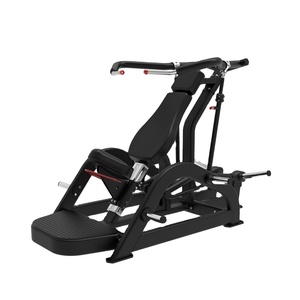
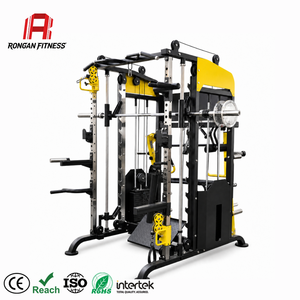
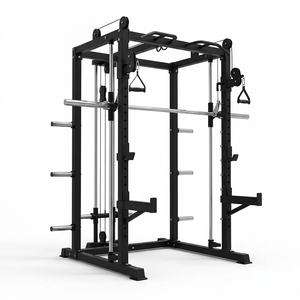
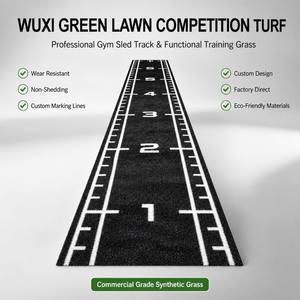
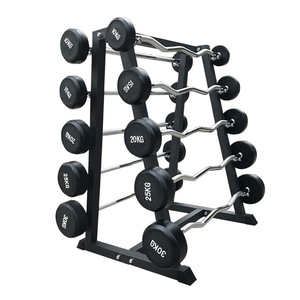
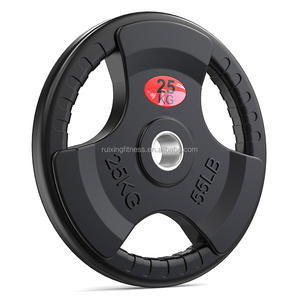
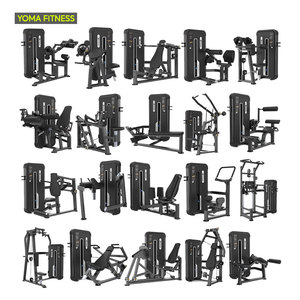
How leading fitness equipment manufacturers engineer structural reliability into heavy-duty commercial weight benches and strength platforms.
Main frames engineered from 2.0mm to 3.0mm wall thickness mild-steel tubes in 50x100mm and 75x75mm structural profiles. Robot-assisted MIG welding ensures complete seam penetration across high-stress joint intersections.
Substrates undergo mechanical shot-blasting and multi-stage phosphate washing before electrostatic application of 180–200 micron powder coating. Thermal curing at 200°C maximizes sweat, impact, and humidity resistance.
Pivot nodes incorporate sealed precision ball bearings matched with hardened chrome-plated guide rods. Cam profiles and leverage arcs are anatomically mapped to ensure smooth strength curves across full joint motion.
Pressure-molded high-density foam padding (300+ kg/m³) wrapped in anti-microbial, commercial-grade PU leatherette. Double-stitched seams prevent structural tearing under localized 500kg+ load testing.
Complete custom branding options including laser-cut stainless steel logo badges, custom powder-coat pantone matching, custom upholstery embroidery, and retail-ready knock-down export packaging.
Engineered Knock-Down (KD) structural packaging maximizes 20ft, 40ft, and 40ft HQ container loading density. Fumigated wooden crates and edge protectors ensure zero cosmetic transit damage.
In the global fitness equipment manufacturing sector, commercial weight benches represent the baseline fundamental apparatus for free-weight zones, functional training suites, and strength facilities. While visually straightforward, a commercial-grade weight bench operates under extreme conditions, subjected to continuous dynamic loading, heavy eccentric impacts, high sweat exposure, and relentless daily user turnover. For commercial gym owners, equipment distributors, and institutional procurement managers, evaluating weight bench factories requires looking beyond surface aesthetics to audit structural frame metallurgy, pad density metrics, pivot biomechanics, and safety factor compliance.
The core structural lifespan of any commercial bench depends entirely on the steel profile selected during factory fabrication. Low-cost consumer-grade benches utilize thin 1.2mm to 1.5mm tubing with spot-welded joints, which inevitably buckle or creak under heavy dumbbell training. In contrast, top-tier commercial manufacturers utilize Q235 or Q345 grade cold-rolled structural steel tubing with wall thicknesses ranging from 2.0mm to 3.0mm (11-gauge to 14-gauge industrial standard).
Frame profiles typically range from 50mm x 100mm oval tubing to 75mm x 75mm heavy square uprights. Structural stability is further augmented through gusset-reinforced base plates, laser-cut gussets at high-stress adjustment arches, and full-length continuous seam MIG (Metal Inert Gas) welding. Advanced factories utilize multi-axis robotic welding cells, which eliminate human inconsistency, producing uniform weld beads that prevent micro-fractures during repetitive heavy loading.
A primary differentiator among commercial weight bench factories lies in the design of their incline, flat, and decline (FID) adjustment tracks. Institutional facilities require rapid, intuitive, and rock-solid positioning to accommodate varied lifter physiques and exercise angles (typically 0°, 15°, 30°, 45°, 60°, and 85°).
Two main adjustment engineering paradigms dominate the commercial manufacturing landscape:
Furthermore, human-factors engineering dictates the pad gap width between the seat cushion and backrest. Elite manufacturers engineer zero-gap or sub-40mm pad gaps along with telescoping seat adjustments to prevent lumbar hyperextension during heavy bench press reps.
Upholstery failure is the leading cause of premature maintenance expenditures in high-volume fitness facilities. Standard foam padding collapses within 6 to 12 months, exposing lifters directly to the underlying steel sub-plate. Commercial-grade manufacturing specifies ultra-high-density cold-molded polyurethane foam (300 kg/m³ density rating). Cold-molding creates an integral protective skin around the core cushion, preventing sweat absorption that leads to internal foam rot and microbial odor build-up.
The outer covering must utilize commercial-grade, anti-tear vinyl or PU leatherette treated with anti-microbial, anti-fungal, and UV-resistant compounds. Double-stitched contrast seams reinforced with industrial nylon thread ensure the vinyl remains taut across the high-wear edges of the bench board.
As the commercial gym equipment landscape evolves toward high-density functional training, hybrid powerlifting spaces, and intelligent digital facilities, weight bench factories are actively modernizing their product lines:
A. Modular Attachment Compatibility: Modern commercial benches are transitioning from single-purpose units into modular strength hubs. Built-in front receiver sockets accept leg developer attachments, preacher curl pads, torso handles, and resistance band pegs—allowing facilities to maximize floor space productivity.
B. Vertical Storage Architecture & Integrated Mobility: Floor space optimization is paramount for modern gym owners. Advanced bench designs incorporate non-marking urethane transport wheels, high-tensile rubberized lift handles, and balanced rear bumpers that allow the entire bench to be stored vertically on its end, reducing footprint from 1.4 m² down to just 0.25 m² when off the floor.
C. Integrated Sensor Tech & Digital Load Monitoring: Next-generation OEM prototypes are integrating micro-strain gauges and Bluetooth velocity-based training (VBT) sensors directly into the bench frame. This permits real-time power output, rep speed, and eccentric load data transmission directly to personal training apps or gym management platforms.
The global sourcing strategy for fitness equipment importers, brand owners, and commercial facility chains has shifted significantly over recent years:
Shift Toward Alternative Manufacturing Hubs: Sourcing directors are diversifying their OEM supply chains beyond traditional East Asian hubs. Industrial regions such as Jaipur, India have emerged as powerhouse manufacturing centers for heavy strength equipment, combining abundant structural steel production, competitive skilled labor, advanced robotic fabrication, and direct ocean export logistics.
Knock-Down (KD) vs. Fully Welded Shipping Logistics: Freight optimization is a key procurement metric. Factories offering modular KD (Knock-Down) architecture allow up to 300% more units per 40ft HQ container compared to fully welded static frames. High-precision laser-cut bolt-together joint interfaces ensure KD benches retain structural stiffness equal to fully welded frames once assembled on site.
Private-Label Customization at Pilot Scale: Modern B2B buyers demand custom powder-coat brand matching (RAL color matching), laser-cut logo badges, and branded instruction placards. Leading suppliers now offer low Minimum Order Quantity (MOQ) pilot programs, allowing regional distributors to launch custom-branded equipment lines without excessive upfront capital outlay.
Essential technical questions answered for equipment importers, gym chains, and B2B buyers.
Download our complete commercial product catalog, container load plans, OEM technical drawings, and wholesale pricing schedules.
Get Catalog