Direct factory-grade equipment built with 2.5mm–3.0mm structural steel, anti-corrosion electrostatic coating, and ergonomically optimized movement arcs tailored for high-duty Brazilian commercial gyms.
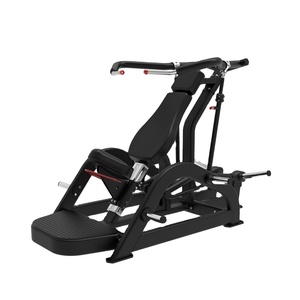
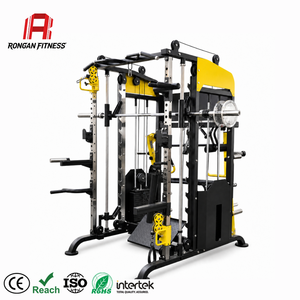
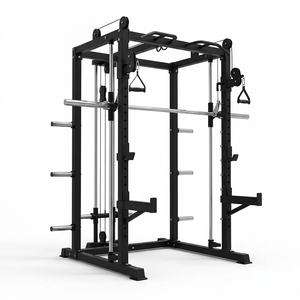
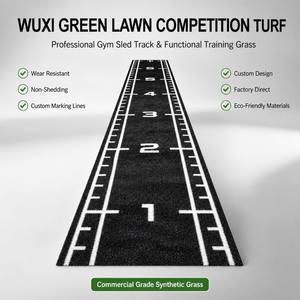
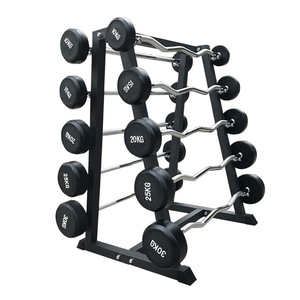
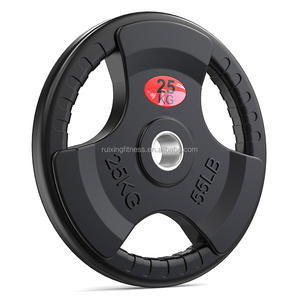
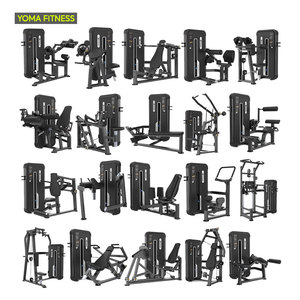
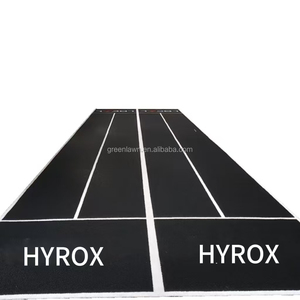
Brazil represents the largest commercial fitness market in Latin America and ranks second globally in total number of fitness facilities, boasting over 34,000 active academies (gyms), boutique studios, and multi-functional sports centers. Key fitness hubs such as Greater São Paulo, Rio de Janeiro, Belo Horizonte, and Curitiba are undergoing a rapid transformation. Commercial gym operators are increasingly shifting away from outdated domestic equipment toward direct-factory imported strength lines that deliver heavy structural durability, superior biomechanics, and distinct visual appeal.
For Brazilian fitness entrepreneurs, commercial equipment importers, and real estate developers, sourcing directly from top-tier Chinese fitness gear manufacturers provides an undeniable competitive edge. However, navigating the Brazilian import ecosystem requires a thorough understanding of localized operational factors: high ocean freight logistics connecting Chinese manufacturing ports (Ningbo/Qingdao/Shanghai) to Porto de Santos and Porto de Paranaguá, strict Mercosur Common External Tariff (NCM codes) compliance, and extreme coastal atmospheric conditions that demand elevated anti-corrosion surface treatments.
To thrive in Brazil's price-competitive yet quality-conscious market, commercial gym chains ("Redes de Academias") and equipment distributors require supply partners capable of offering robust OEM/private-label manufacturing, precise Knock-Down (KD) structural packaging for maximized FCL 40HQ container loading, and strict adherence to international safety parameters.
Why elite Chinese manufacturing facilities outperform standard trading intermediaries: An in-depth audit of structural steel, robotic fabrication, and surface engineering.
Fabricated using heavy-gauge Q235 cold-rolled mild steel tubing with wall thicknesses ranging from 2.5mm to 3.0mm. Main frames utilize 50x100mm flat-oval or 75x75mm square structural columns designed to withstand continuous 18-hour daily commercial duty cycles without structural fatigue.
Engineered for high-humidity coastal regions like Rio de Janeiro and Recife. Metal undergoes automatic steel shot-blasting and chemical anti-rust phosphatizing, followed by an electrostatic application of thermosetting powder cured at 200°C for a total dry film thickness of 180–200 µm.
Pivoting articulation axes utilize Japanese-engineered sealed ball bearings combined with solid hard-chrome plated guide rods. Variable resistance cams are computer-modeled to perfectly match natural human strength curves, maximizing muscle isolation and eliminating joint strain.
Tailored equipment setups designed specifically to address diverse regional facility requirements, space constraints, and target demographics within Brazil.
Primary Hubs: São Paulo, Campinas, Curitiba.
Equipment Focus: Heavy plate-loaded chest press machines, pin-selected multi-stations, rigid power racks.
Key Need: High throughput capability, structural longevity under heavy daily use, and custom powder-coated frame colors matching brand identity.
Primary Hubs: Alphaville, Barra da Tijuca, Brasília.
Equipment Focus: Multi-functional Smith machines, compact dual-adjustable pulleys, rubber barbells.
Key Need: Footprint optimization, low operating noise, versatile multi-user functionality without requiring constant maintenance staff.
Primary Hubs: Belo Horizonte, Porto Alegre, Florianópolis.
Equipment Focus: 15mm-20mm weighted sled turfs, IWF standard rubber bumper plates, heavy squat cages.
Key Need: High impact resistance, non-slip sprint surfaces, custom metric lane markings, zero floor degradation.
Primary Hubs: Salvador, Fortaleza, Buzios, Balneário Camboriú.
Equipment Focus: Premium selectorized strength lines, ergonomic curl bars, pristine free weights.
Key Need: Superior rust resistance against ocean salt spray, elegant aesthetic finishes, intuitive operation for international guests.
Making an informed procurement decision requires evaluating landed equipment cost against structural quality and long-term operating expenses (OPEX). The matrix below highlights key operational differences:
| Evaluation Parameter | Direct Chinese Manufacturer | Local Brazilian Distributor | Low-Tier Trading Intermediary |
|---|---|---|---|
| Structural Steel Thickness | 2.5mm – 3.0mm Q235 Steel | 1.5mm – 2.0mm (Varies widely) | 1.2mm – 1.8mm (Sub-standard) |
| Anti-Corrosion Finish | 180-200µm Shot-Blast + Double Powder Coat | Single coat standard enamel | Basic wet paint (Prone to chipping) |
| OEM / Branding Flexibility | Full customization (Laser-cut, Placards, Color) | Fixed inventory / No branding options | No customization capability |
| Margin & Cost Structure | Direct Factory Price (Maximum ROI) | 100% - 180% Local Retail Markups | Unpredictable margin markups |
| Container Loading (FCL 40HQ) | Optimized Knock-Down (KD) 3D Loading | Pre-assembled (High spatial loss) | In-efficient bulk packing |
| Spare Parts Continuity | Guaranteed factory wear-item availability | Subject to local stock constraints | No long-term spare parts supply |
Addressing critical administrative, legal, logistical, and technical questions regarding fitness gear importation into Brazil.
Brazilian buyers must possess an active RADAR license (Rastreamento da Atuação dos Intermediários no Comércio Exterior) registered with the Receita Federal to operate within the Siscomex system. The factory provides all necessary commercial documents: Commercial Invoice, Packing List with accurate NCM codes, Bill of Lading (B/L), and Certificate of Origin (CO).
Commercial strength machines and general gym equipment typically fall under NCM 9506.91.00 (Articles and equipment for general physical exercise, gymnastics or athletics). Rubber bumper plates and barbells are also classified under 9506.91.00 or 9506.99.00. Correct NCM classification ensures smooth customs clearance at Porto de Santos.
All steel components undergo a multi-stage shot-blasting process, anti-rust zinc-phosphate pretreatment, and a 180-200µm electrostatic powder coating. For ocean freight across humid tropical routes, components are wrapped in protective VCI (Vapor Corrosion Inhibitor) plastic film, edge-protected with heavy cardboard, and packed into sealed fumigated plywood crates.
Manufacturing lead time for a full 40HQ container (approx. 60–90 stations/pieces) takes 25 to 35 days. Direct ocean transit from main Chinese ports (Ningbo/Shanghai) to Porto de Santos or Paranaguá takes approximately 30 to 40 days. We recommend planning procurement cycles 75–90 days prior to gym opening dates.
Yes, as an OEM manufacturing specialist, we offer full branding customization. We can match frame powder-coat colors to any RAL/Pantone spec, laser-cut your gym logo directly into weight stack guards or steel frame plates, and supply machine instruction placards printed in Portuguese.
We utilize Knocked-Down (KD) structural packaging engineered via 3D container-loading software. Heavy structural uprights are nested together, guide rods and small components are boxed in modular cartons, and upholstery pads are insulated separately to maximize space usage in 20ft or 40HQ containers without risk of abrasion.
We provide a 5-year warranty on structural steel frames, 2 years on linear bearings, guide rods, and pulleys, and 1 year on wear items like cables and upholstery. Each container shipment includes a complimentary maintenance kit (spare cables, pulley wheels, end caps, and upholstery hardware).
While machine-specific MOQs start as low as 1 to 5 units, we strongly recommend a minimum volume of one 20ft or 40HQ container. Full container loads significantly reduce ocean freight costs per unit and lower Brazilian port handling fees relative to shipment value.
Yes, all equipment is designed in accordance with ISO 20957-1 / EN 957-1 commercial fitness safety standards. Cable systems feature aircraft-grade steel wires rated for over 1,000 kg tensile strength, and selectorized weight stacks utilize magnetic safety pins with safety lanyards.
Landed cost in Brazil is calculated based on CIF value (Cost, Insurance, Freight). Taxes are applied sequentially: Imposto de Importação (II), Imposto sobre Produtos Industrializados (IPI), PIS/COFINS, and state ICMS. Our export team assists your customs broker by providing accurate NCM breakdowns to pre-calculate landed costs prior to shipping.
