Heavy-duty, biomechanically engineered strength lines, power racks, customized rubber plates, and climate-resilient synthetic turfs designed for high-traffic Canadian fitness centers, sports performance hubs, and municipal facilities.
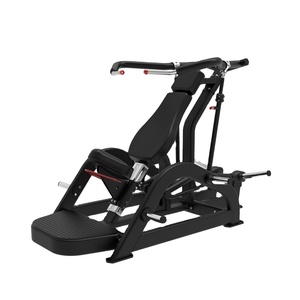
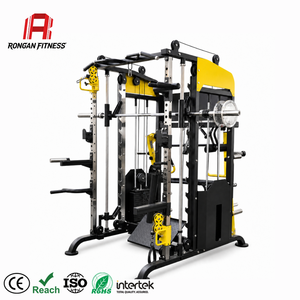
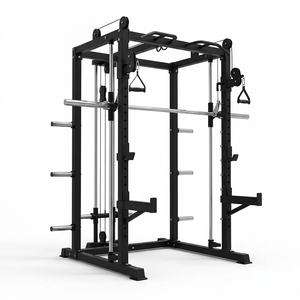
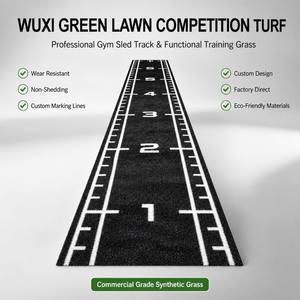
The Canadian commercial fitness ecosystem represents one of North America's most demanding procurement environments. Driven by robust urban growth in metropolitan centers such as the Greater Toronto Area (GTA), Metro Vancouver, Montreal, Calgary, and Edmonton, the market requires exercise machinery that balances structural longevity with refined biomechanical aesthetics. Furthermore, Canada's prolonged winter seasons impose a unique operational reality: commercial facilities experience elevated indoor foot traffic and uninterrupted machine usage cycles for up to 7 to 8 months per year.
For Canadian facility operators, procurement managers, and commercial gym equipment distributors, sourcing directly from specialized overseas manufacturing factories offers a definitive strategic advantage. However, bridging the gap between offshore production facilities and Canadian floor readiness demands strict alignment with Canadian Electrical/Mechanical Safety expectations, CBSA customs regulations, heavy-gauge steel structural specs, and climate-resilient material science.

Why structural steel thickness, surface pre-treatment, and bearing mechanics determine facility profitability and long-term asset value in Canada.
Main structural frames utilize 50x100mm and 75x75mm flat-oval and square mild steel tubing. Robot-assisted continuous MIG welding ensures extreme structural rigidity under maximum plate loads without weld cracking or frame flex.
Prior to coating, frames undergo shot-blasting and multi-stage phosphate washing. The double electrostatically applied powder coat cures at high heat to withstand aggressive sweat humidity, road salt tracks, and cleaning detergents.
All load pivot points operate on industrial-grade sealed ball bearings. Selectorized guide rods feature solid hardened chrome steel to eliminate friction drag, cable wear, and noisy operation over hundreds of thousands of repetitions.
A comparative engineering breakdown for Canadian buyers evaluating direct manufacturing suppliers against standard market equipment.
| Technical Component | Factory Direct Specification (BODYTEC Standard) | Standard Commercial Grade | Canadian Operational Benefit |
|---|---|---|---|
| Frame Steel Profile | 50x100mm / 75x75mm (2.5mm - 3.0mm wall thickness) | 1.5mm - 2.0mm thin-wall tubing | Eliminates structural flex under heavy powerlifting & high usage. |
| Corrosion Resistance | Shot-blasted substrate + 180-200µm thermosetting powder coat | Single-layer spray paint (<100µm) | Resists rust from winter slush, road salt, and sweat moisture. |
| Cable & Pulleys | Nylon-coated 7x19 aircraft cable (2,000+ lbs rating) + CNC aluminum pulleys | Plastic pulleys + standard commercial wire | Smooth, frictionless biomechanics with extended replacement intervals. |
| Upholstery & Foam | High-density cold-moulded PU foam + commercial leatherette | Low-density recycled sponge + basic vinyl | Prevents bottoming-out, cracking, or bacterial absorption over time. |
| Custom Branding / OEM | Laser-cut stainless steel logos, custom powder-coat Pantones, instruction placards | Sticker decals or non-customized stock items | Builds strong local Canadian gym brand equity and private-label value. |
Tailoring commercial fitness equipment configurations to match the spatial, climatic, and demographic demands of Canadian facilities.
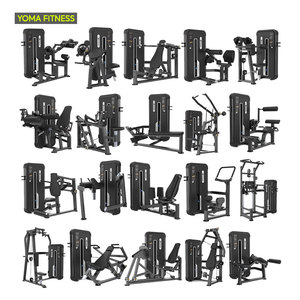
Commercial fitness centers in urban markets like Toronto, Mississauga, Vancouver, and Calgary require maximum station density and heavy strength capacity. Plate-loaded incline chest presses, Smith machine combination racks, and heavy power cages allow gyms to serve powerlifters, bodybuilders, and general fitness members simultaneously with zero equipment downtime.
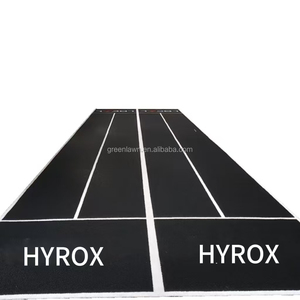
Functional athletic training is experiencing explosive growth across Canada. Specialized high-density polyethylene (HDPE) non-slip synthetic sled turf mats (15mm–20mm pile height) integrated with heavy-duty weighted push/pull sleds provide the precise friction coefficient required for HYROX conditioning classes and athletic performance training hubs.
With Canada's urban condo boom in Vancouver, Montreal, and Toronto, developers and property managers require multi-functional comprehensive Smith machine combination sets. These compact footprint units deliver multi-station versatility (cables, squat rack, pull-up, row) in restricted amenity spaces while maintaining clean, high-end aesthetics.
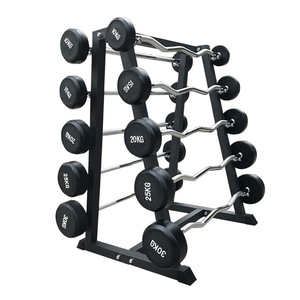
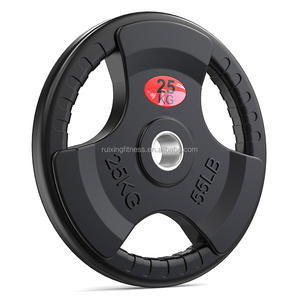
Public infrastructure projects across Ontario, Quebec, and Alberta demand rigorous safety compliance, vandal-resistant rubber fixed barbells, heavy bumper weight plates, and intuitive user placards. Direct factory manufacturing allows institutional buyers to customize logo-imprinted bumper plates and barbell sets that meet strict municipal tender criteria.

The Canadian fitness landscape is undergoing a structural shift towards functional strength, hybrid group athletic conditioning, and private-label equipment branding. Standard selectorized pin-loaded machines are increasingly being supplemented by plate-loaded lever machines that offer converging/diverging motion paths that mimic natural human biomechanics.
Furthermore, Canadian gym equipment importers and regional equipment dealers are transitioning away from buying generic third-party brands. By establishing direct OEM relationships with original equipment manufacturers, Canadian companies can launch their own private-label equipment lines—selecting custom frame colors, laser-engraved branding plates, and customized packaging—maximizing gross profit margins while retaining full control over regional territory distribution.
Why partnering with an established strength equipment exporter guarantees quality control, structural customization, and seamless container loading for Canada.
Every plate-loaded and selectorized machine features precise cam profiles, correct movement arcs, and adjustable seat geometry developed in coordination with biomechanics experts to maximize muscle engagement while protecting joints.
Equipment is engineered for modular knock-down (KD) packing. High-density export-grade fumigated wooden crates and edge-protected heavy cartons maximize 20ft and 40ft HQ container loading space, drastically reducing ocean freight costs per unit to Canadian ports.
From raw steel tube certification to post-assembly load testing and finish inspection, every production order includes comprehensive photo-documented loading reports, steel strength certificates, and spare-parts kits (cables, bearings, end-caps).
Essential answers for Canadian gym owners, importers, and procurement officers sourcing exercise equipment directly from factory suppliers.
Commercial gym equipment (HS Code 9506.91 for general physical exercise equipment) imported into Canada typically carries a Most Favoured Nation (MFN) tariff rate ranging between 0% and 6.5%, depending on the specific equipment classification. Importers must also pay the 5% Goods and Services Tax (GST) or applicable Harmonized Sales Tax (HST) based on the destination province (e.g., 13% HST in Ontario, 15% in Nova Scotia, 5% GST in Alberta). Working with a licensed Canadian customs broker simplifies CBSA clearance.
Direct factory export shipments are consolidated in 20ft, 40ft, or 40ft High Cube (HQ) containers. Shipments bound for Western Canada enter via the Port of Vancouver or Prince Rupert, while Eastern Canadian orders transit through the Port of Montreal or Halifax. Rail transport (CN or CP KC Rail) seamlessly connects port terminals to inland distribution hubs in Calgary, Edmonton, Toronto, and Winnipeg for final tailgate truck delivery.
Yes. Commercial strength machinery is built to align with international ASTM F2276 / ISO 20957 safety specifications for commercial fitness equipment. Frames feature static load testing up to 2.5x maximum capacity, non-pinch pulley guards, emergency Smith machine safety catches, and non-slip rubber foot pads required by Canadian commercial liability insurers.
Extreme winter temperatures and road salt tracked in by members can degrade low-grade rubber. Our commercial rubber bumper plates and fixed barbells utilize virgin rubber compounds bonded with stainless steel inner sleeves, preventing cracking and unpleasant chemical off-gassing. Gym sled turfs feature UV-stabilized, high-density polyethylene (HDPE) yarn with latex backing, resisting salt corrosion and heavy sled abrasion.
Standard manufacturing lead time for a full container load (60 to 100+ stations) is 25 to 35 days from technical drawing approval. Ocean transit from major Asian ports to Vancouver takes approximately 18 to 22 days, and to Eastern Canadian ports/inland hubs approximately 28 to 35 days. Total order-to-floor timeframe ranges between 6 to 9 weeks.
Absolutely. Factory-direct manufacturing allows full OEM customization. Buyers can specify powder coat colors matching corporate brand guidelines (e.g., matte black, textured graphite, custom red/blue), laser-cut stainless steel logo badges, custom stitched upholstery, and branded instruction placards at low pilot order volumes.
Every commercial container shipment includes a complimentary maintenance kit containing high-wear components: extra aircraft cables, pulley wheels, sealed bearings, rubber handles, and upholstery pads. Replacement parts for all catalog models are stocked at the factory and can be dispatched via expedited air express directly to Canada when required.
While full container loads (20ft/40ft FCL) offer the lowest freight cost per unit, pilot orders and Less-than-Container Load (LCL) consolidated shipments are available for boutique studios, multi-unit residential gyms, and commercial distributors building pilot inventory.
Connect directly with our engineering and export team to request a 2D/3D floor layout plan, custom OEM branding consultation, or a factory-direct container quotation for the Canadian market.
Contact Us